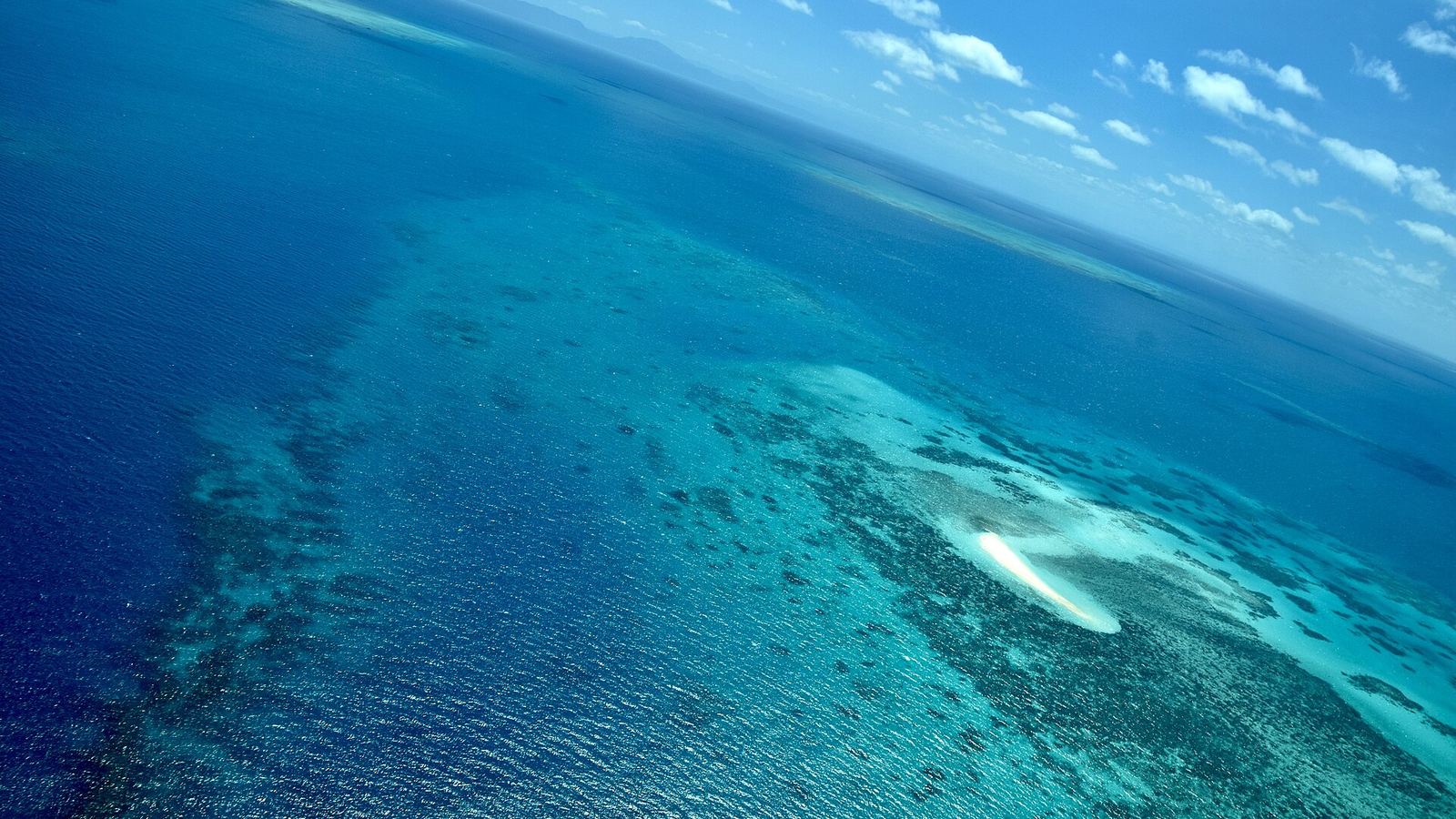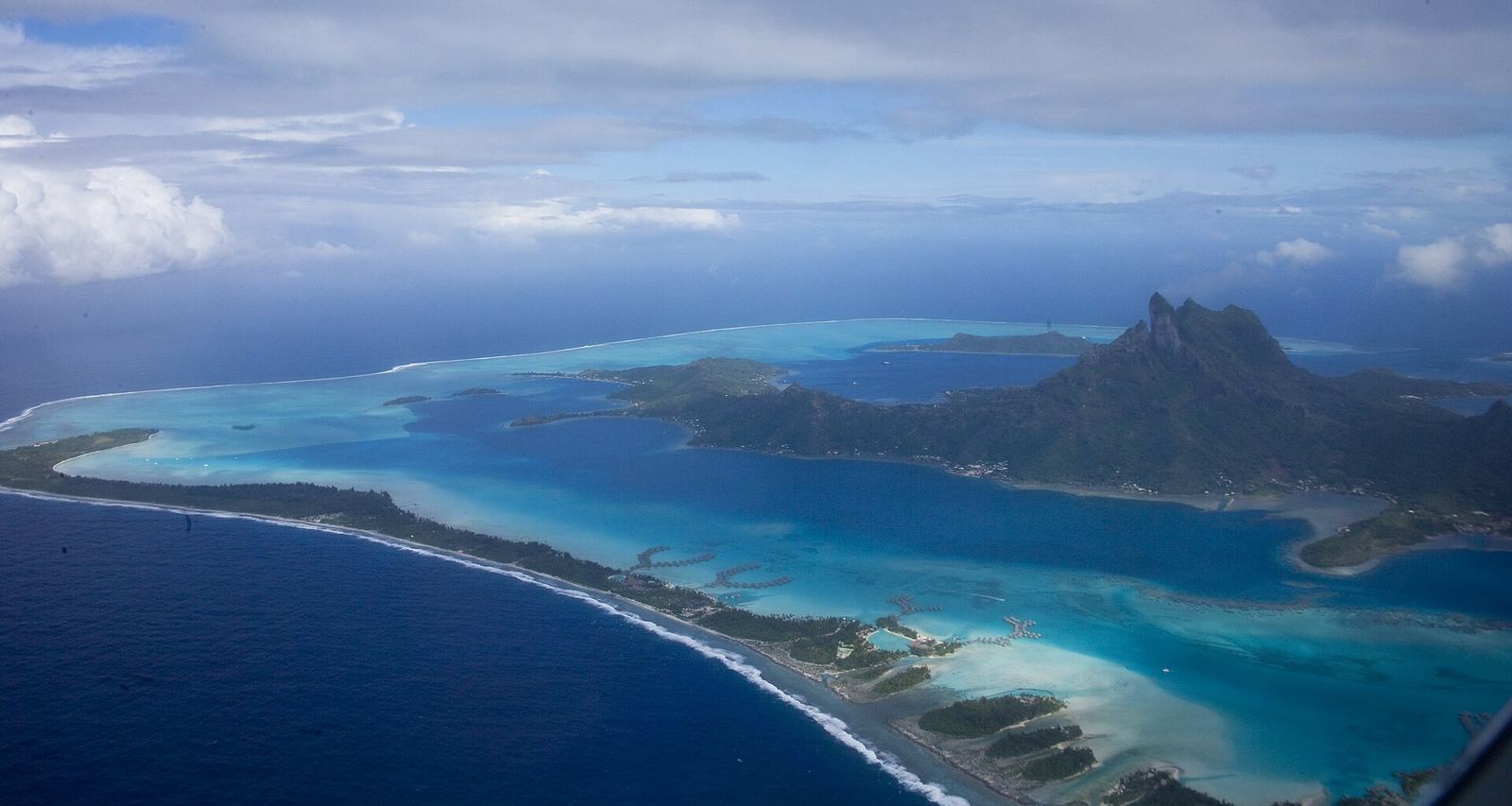
The Bora Bora lagoon is famous for overwater villas that can cost more per night than a long-haul flight. But the lagoon itself is free to look at, the public beaches are open to everyone, and French Polynesia has a long tradition of family-run guesthouses called pensions. With the right choices you can see Bora Bora, Moorea and a couple of other islands for a fraction of the honeymoon-brochure price. Here is how.
Understand where the money goes
French Polynesia uses the CFP franc (XPF), which is pegged to the euro at roughly 119 francs per euro. Almost everything is imported, so groceries, alcohol and restaurant meals are expensive by any standard. The three biggest costs are international flights, accommodation and inter-island transport. Cutting any one of them makes a big difference; cutting all three makes the trip realistic on a mid-range budget.
1. Sleep in pensions, not resorts
Pensions are small guesthouses, often run by Polynesian families, ranging from a room in a house to a cluster of beach bungalows. Many include breakfast, and some offer half board, which is valuable on islands with few restaurants. On Bora Bora, expect roughly 15,000 to 30,000 XPF a night for a double room in a pension or guesthouse, compared with 100,000 XPF or more for an overwater bungalow at a resort. Moorea, Huahine and Raiatea are cheaper still.
A popular compromise is to stay in a pension for most of the trip and splurge on one or two nights overwater at the end. You get the photo and the experience without paying villa prices for a full week.
Villas, apartments & beach fales
Self-catering stays for families and longer trips. Via Booking.com.
2. Base yourself on the main island
Bora Bora's luxury resorts sit on the motus (islets) around the reef, which means boat transfers for every meal out. Budget and mid-range stays are on the main island, mostly around Vaitape, Matira Point and the east coast. From here you can walk to Matira Beach, one of the best public beaches in the Pacific, rent a bike or scooter to ride the roughly 32-kilometer coast road, and shop at supermarkets.
Note that Bora Bora's airport is on a motu. A free shuttle boat takes arriving passengers to Vaitape, where many pensions offer pickups.
3. Do Moorea by ferry
Moorea is the best-value island in the Society group. It is a 30 to 45 minute ferry ride from Papeete on Aremiti and other operators, for roughly 1,500 to 2,000 XPF each way, far cheaper than flying. Moorea has dramatic jagged peaks, a lagoon with rays and reef sharks at the sandbanks, hiking at the Belvedere lookout, pineapple plantations and plenty of pensions and snack bars. If you are on a tight budget, Moorea can be the lagoon experience and Bora Bora becomes a shorter add-on.
Trains, buses & ferries
Compare ground transport and plan connections. Via Omio.
4. Use an Air Tahiti pass for multiple islands
Air Tahiti is the domestic airline, and its multi-island passes are usually the cheapest way to fly between three or more islands. The line-up was renamed in late 2025, so older guides mentioning the "Bora Bora Pass", "Lagoon Pass" or "Discovery Pass" are out of date. The current passes include:
- Pass Maeva: from Tahiti to a choice of Moorea, Huahine, Raiatea and Bora Bora, from roughly 415 euros for two islands to about 510 euros for four.
- Pass Monoï: starts in Moorea, for travelers who take the ferry there first, from roughly 385 euros.
- Pass Maupiti: adds Maupiti, a quieter Bora Bora look-alike, from about 550 euros.
- Pass Reva and Pass Fenua: combine the Society Islands with atolls such as Rangiroa, Tikehau and Fakarava.
Passes are closed circuits that start and end in Tahiti (or Moorea), allow one stop per island, last up to 28 days and cannot be changed or refunded once issued. Published fares are low-season "from" prices and rise in high season. If you are only visiting Bora Bora, a simple return ticket from Papeete may cost about the same as a pass.
5. Pick the right season
The dry season from roughly May to October is the most popular and the most expensive, with July and August busiest. The shoulder months of April, May, October and November often bring lower room rates and better flight deals with weather that is still good. December to March is the wetter, more humid season, with the lowest prices and a higher chance of heavy rain. See our best time to visit guide for a month-by-month view.
6. Eat like a local
- Roulottes: food trucks serving steak frites, chow mein, crepes and poisson cru (raw fish in coconut milk) for roughly 1,500 to 2,500 XPF a plate. Papeete's waterfront roulottes are the best known.
- Snacks: casual cafés on every island with sandwiches, burgers and plate lunches.
- Supermarkets: baguettes are price-controlled and cheap, and fresh fruit from roadside stalls is good value.
- Kitchen access: a pension with a shared kitchen can halve your food bill.
7. Choose activities carefully
The lagoon is the attraction, and the best way to see it on Bora Bora is a shared half-day or full-day lagoon tour with snorkeling at a coral garden, ray and shark stops, and often a picnic on a motu. Shared tours cost roughly 8,000 to 15,000 XPF per person, far less than private charters. Kayaks and paddleboards are often free at pensions, and snorkeling straight off Matira Beach costs nothing.
Tours, tickets & day trips
Reef cruises, Hobbiton, lagoon tours and more. Via GetYourGuide.
Sample budgets for 10 days
| Item | Budget traveler | Mid-range couple (per person) |
|---|---|---|
| Accommodation | Pensions and guesthouses, about 8,000 to 15,000 XPF per night | Pensions plus 2 nights overwater, about 25,000 to 45,000 XPF per night on average |
| Inter-island | Ferry to Moorea plus Air Tahiti pass, about 450 to 550 euros | Ferry plus a 3 to 4 island pass, about 500 to 650 euros |
| Food per day | About 4,000 to 6,000 XPF | About 8,000 to 12,000 XPF |
| Activities | 2 shared tours | 3 to 4 tours or dives |
| Rough total (excluding international flights) | About 2,000 to 2,800 euros | About 4,000 to 6,000 euros |
A budget-friendly 10-day route
- Days 1 to 2, Tahiti: arrive in Papeete, eat at the roulottes and visit the market.
- Days 3 to 5, Moorea: ferry across, snorkel with rays, hike and drive the island loop.
- Days 6 to 7, Huahine or Raiatea: fly on your pass to quieter islands with archaeological sites and vanilla farms.
- Days 8 to 10, Bora Bora: stay near Matira, take a lagoon tour, and finish with an overwater night if the budget allows.
Entry and money tips
French Polynesia is a French overseas collectivity with its own entry rules, separate from mainland France. Many nationalities, including EU, US, Canadian, Australian and New Zealand citizens, can visit visa-free for short stays, but always check current requirements before booking. Cards are widely accepted in hotels and larger shops, while pensions and small vendors may prefer cash. Tipping is not expected.
Keep planning
Start with our French Polynesia destination guide and the Moorea landmark page. For comparison, see how far your budget stretches in our Fiji island hopping guide and Cook Islands guide, or browse our ranking of the best islands in the South Pacific.
Map of places in this guide
Frequently asked questions
Can you visit Bora Bora without staying in an overwater bungalow?
Yes. Pensions and guesthouses on the main island cost a fraction of resort prices, and the public Matira Beach and shared lagoon tours let you enjoy the same lagoon.
Is the Air Tahiti pass worth it?
Usually, if you fly to two or more islands beyond Tahiti. For a single return trip to Bora Bora, a normal ticket can cost about the same, and passes cannot be changed once issued.
What is the cheapest way to get to Moorea?
The ferry from Papeete. It takes about 30 to 45 minutes and costs roughly 1,500 to 2,000 XPF each way, far less than flying.
When is French Polynesia cheapest?
The wetter months from December to March usually have the lowest room rates, while April, May, October and November offer a good balance of price and weather.
Some links on this page are affiliate links. If you book through them we may earn a small commission at no extra cost to you. Learn more.