Packing for Oceania means planning for tropical lagoons, alpine passes and outback heat, sometimes in the same trip. It also means knowing what you are not allowed to bring: Australia and New Zealand have some of the strictest biosecurity rules in the world. This guide covers essentials for every trip, packing lists by trip type, reef-safe sunscreen and the 2026 biosecurity rules you need to know.
Essentials for every Oceania trip
- Documents: passport valid for at least six months, travel authorizations (Australia's ETA or eVisitor, New Zealand's NZeTA), insurance details and printed or offline copies of bookings.
- Sun protection: reef-safe sunscreen, a wide-brimmed hat, UV-blocking sunglasses and a long-sleeve rash guard. UV levels in the region are extreme, even on cloudy days.
- Power: Australia, New Zealand, Fiji, Samoa, Tonga, the Cook Islands, Vanuatu and Papua New Guinea use Type I plugs (230–240V). French Polynesia and New Caledonia mostly use European Type E plugs, and Hawaii and Palau use US plugs. A universal adapter covers all of them.
- Tech: phone, power bank and an unlocked phone for an eSIM. See our eSIM guide.
- Health kit: insect repellent, rehydration salts, motion-sickness tablets for boat transfers, basic first aid and any prescriptions in original packaging with a copy of the prescription.
- A soft bag: small planes between islands often limit checked baggage to 10–20 kg and do not take hard cases easily.
Get a travel eSIM
Data from the moment you land, no SIM swap needed. Via Airalo.
Packing lists by trip type
| Trip type | Pack | Leave behind |
|---|---|---|
| Tropical islands (Fiji, Tahiti, Cook Islands, Samoa) | Swimwear, rash guard, reef shoes, dry bag, light cotton or linen clothes, sarong, snorkel mask that fits you, modest clothing for villages and churches | Heavy jeans, too many shoes, hard-shell suitcases |
| New Zealand road trip | Layers: merino base layers, fleece, waterproof jacket, warm hat; sturdy walking shoes; sandfly repellent | Single heavy coat in place of layers |
| Outback and northern Australia | Breathable long sleeves, fly net for your face, closed shoes, 2–3 liter water capacity, warm layer for desert nights | Dark clothing that absorbs heat |
| Hiking and trekking | Broken-in boots (cleaned before arrival), rain shell, headlamp, blister kit, offline maps, PLB for remote routes | Muddy gear from home |
| Diving and liveaboards | Certification card, logbook, dive computer, 3mm wetsuit or skin, mask and defogger | Heavy gear you can rent locally |
Tropical islands
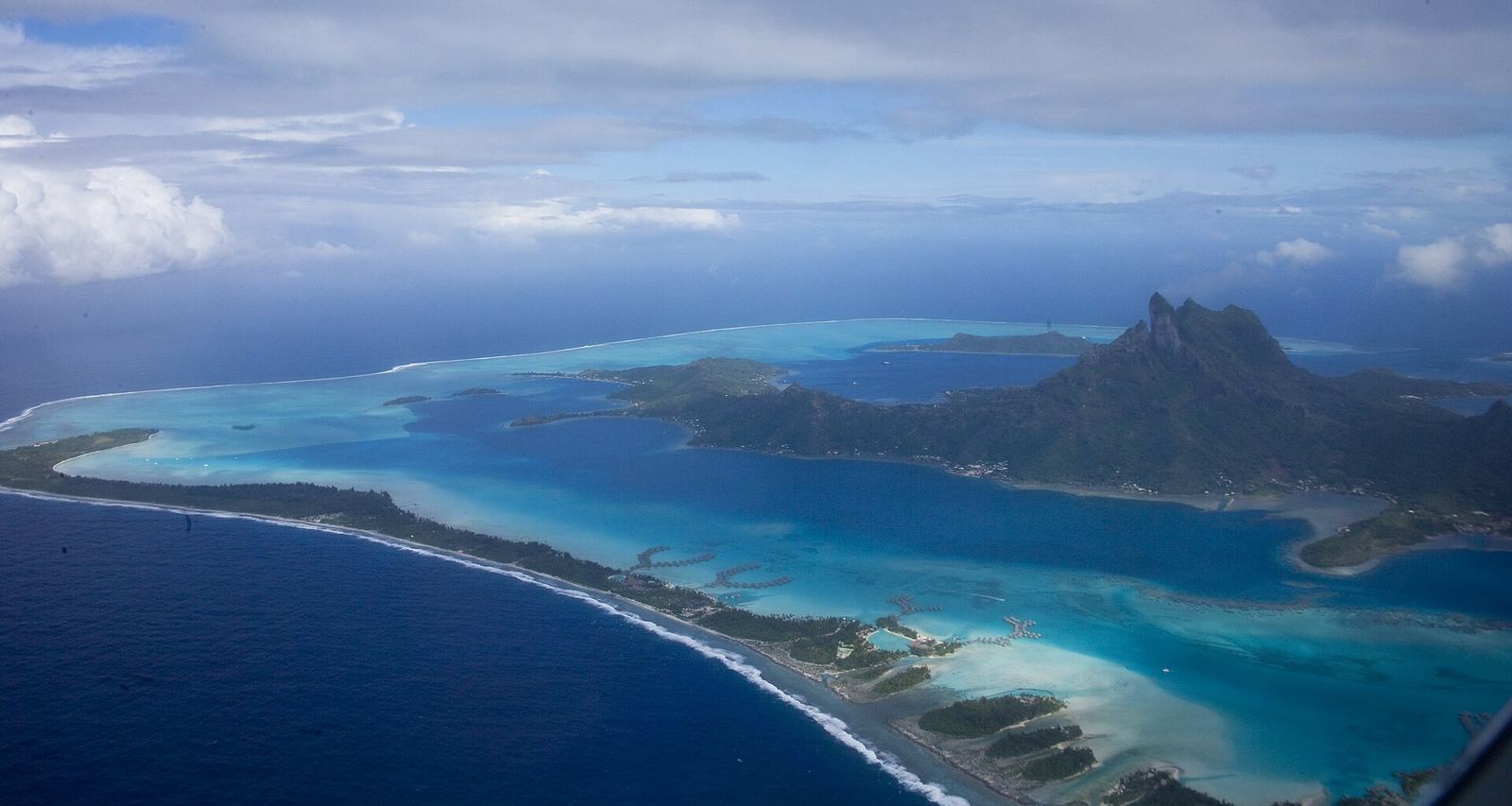
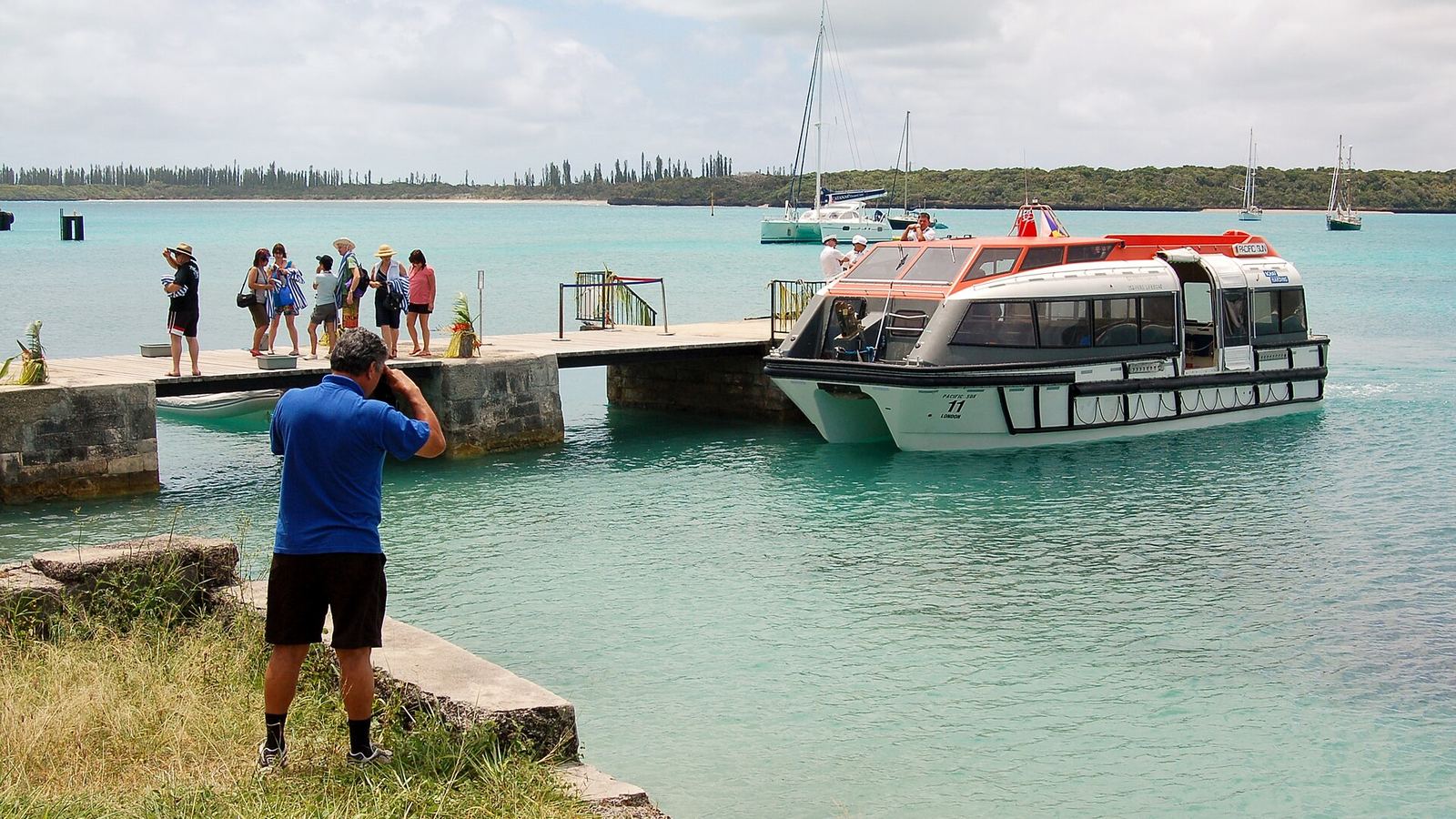
Island trips need less than you think. Lightweight, quick-drying clothes and a couple of swimsuits cover most days at places like the Yasawa Islands or the Aitutaki Lagoon. Pack reef shoes for coral and rocky entries, and a dry bag for boat days. In Samoa, Tonga and rural Fiji, cover your shoulders and knees in villages, and bring a sulu or sarong for church on Sundays.
New Zealand
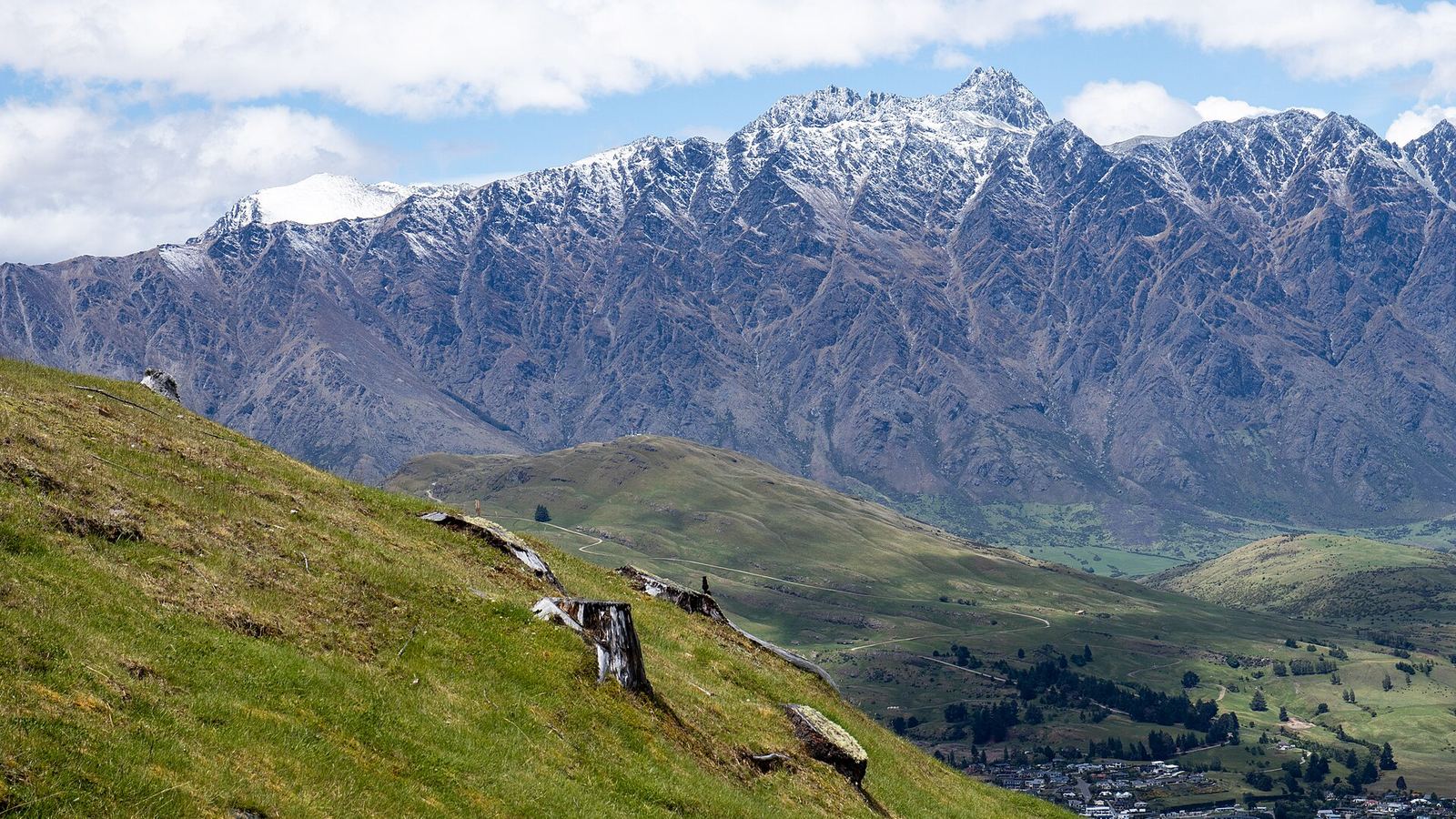
The weather can change quickly, and four seasons in one day is a cliché for a reason. Layer up for the Tongariro Alpine Crossing, where conditions at altitude can be cold and windy even in summer. Insect repellent is essential for sandflies around Milford Sound and the West Coast.
The outback
Around Uluru and Kakadu, a fly net and plenty of water make a big difference. Desert nights can be surprisingly cold in winter, from June to August, so bring a warm layer. In the tropical north, crocodiles are a serious risk: swim only where signs say it is safe.
How much to pack
For trips of two weeks or longer, pack for about a week and plan to do laundry. Most hostels, motels and holiday parks in Australia and New Zealand have coin-operated machines, and many island guesthouses and resorts offer an inexpensive laundry service. Traveling light also makes ferry transfers and small-plane hops far easier, and leaves room for souvenirs such as Fijian masi cloth or Tahitian pearls.
Reef-safe sunscreen
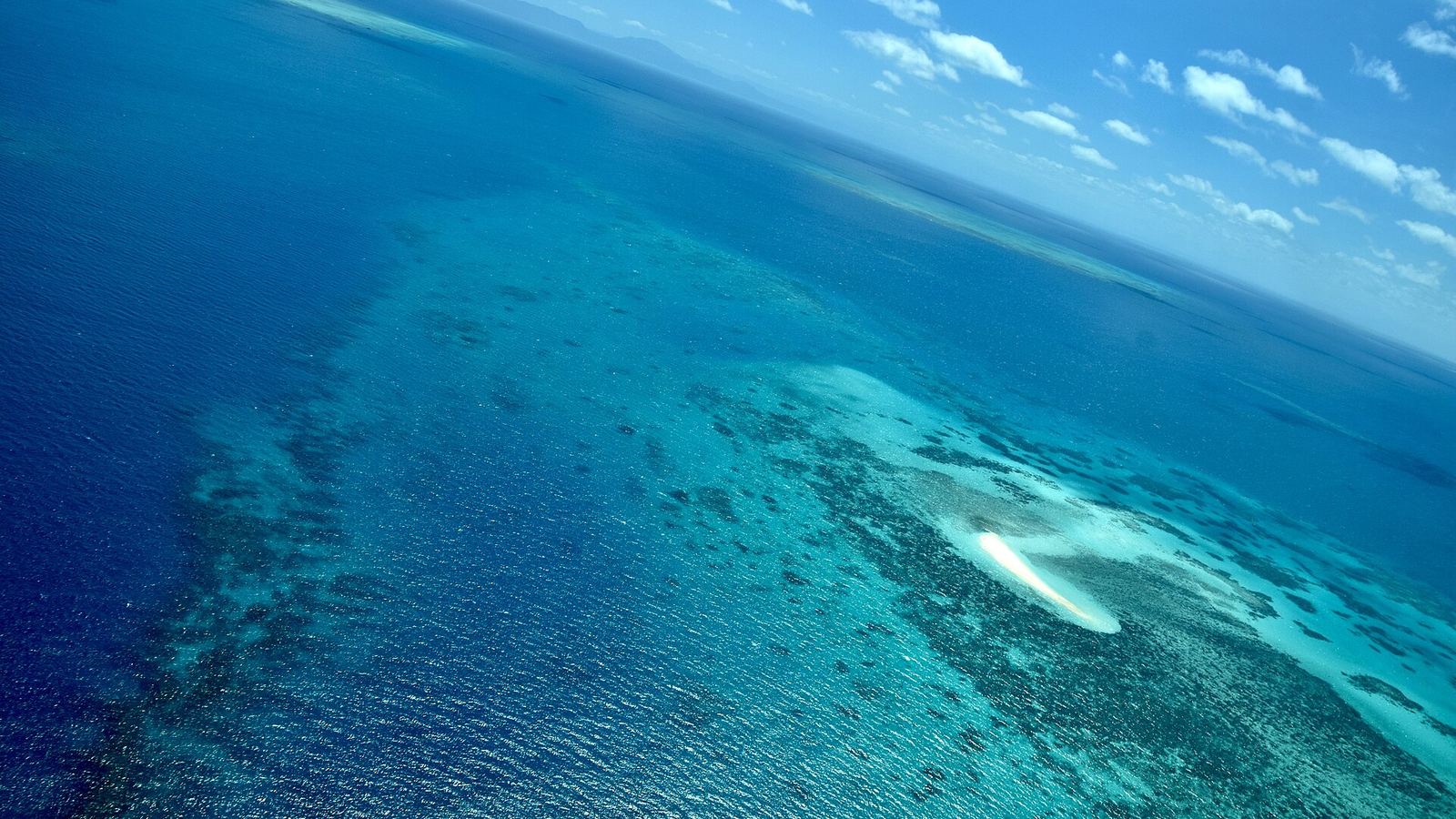
Oceania's coral reefs, from the Great Barrier Reef to the Rock Islands of Palau, are under stress from warming seas, and some sunscreen ingredients add to the damage. Several places now regulate them:
- Palau bans sunscreens containing a list of reef-toxic chemicals, including oxybenzone and octinoxate, and products can be confiscated on arrival.
- Hawaii bans the sale of sunscreens with oxybenzone and octinoxate, and Maui County goes further, restricting non-mineral sunscreens.
The simplest approach is a mineral sunscreen using non-nano zinc oxide, and covering up with a rash guard so you need less sunscreen in the water. Apply it at least 15 minutes before swimming so it binds to your skin.
Biosecurity rules for Australia and New Zealand
Both countries protect their agriculture and unique ecosystems with strict border controls, and the rules apply even to small items you forgot about. The golden rule: if in doubt, declare it. Declaring an item costs nothing; failing to declare can cost a lot.
| Australia | New Zealand | |
|---|---|---|
| Must declare | Food, plant material, seeds, animal products, wooden items, used outdoor equipment and footwear | Food, plants, seeds, animal products, used outdoor and sports gear, hiking boots |
| Penalty for failing to declare | Infringement notices starting at around AUD 728 and up to about AUD 7,280 (2026 rates), or prosecution | NZ$400 instant fine, or prosecution for deliberate smuggling |
| Where to declare | Incoming passenger card or digital declaration | NZ arrival declaration (NZTD), digital or paper |
Practical tips:
- Eat or bin the fruit and snacks from your flight before landing. There are amnesty bins before the inspection area.
- Clean your hiking boots, tent pegs and bike tires thoroughly before you pack them; soil is a biosecurity risk.
- Commercially packaged snacks are often allowed, but they still need to be declared.
- Medications should be declared if required and carried with a prescription.
- Some Pacific countries, including Fiji and the Cook Islands, have their own biosecurity checks too, so declare food and plant items there as well.
Compare hotels & resorts
Free cancellation on many stays across Oceania. Via Booking.com.
Final checks before you fly
- Confirm baggage limits for every flight, especially small inter-island carriers. Our getting around guide explains the main airlines.
- Check the season. Our best time to visit guide shows when it is cyclone season, ski season or peak summer.
- Budget for buying things on arrival; sunscreen and toiletries cost more on small islands. See our budget guide.
- Honeymooners can find more ideas in our guide to Oceania honeymoon destinations.
Map of places in this guide
Frequently asked questions
What happens if I forget to declare food in New Zealand?
You can receive an instant NZ$400 fine, even if it was a mistake. Declare anything you are unsure about or use the amnesty bins before inspection.
What is the fine for not declaring food in Australia?
Airport infringement notices start at around AUD 728 and can reach about AUD 7,280 for high-risk goods under 2026 rates. Serious cases can be prosecuted.
Which sunscreen is reef-safe?
Mineral sunscreens using non-nano zinc oxide are the safest choice. Avoid oxybenzone and octinoxate, which are banned in Hawaii and Palau.
What plug adapter do I need for Australia and New Zealand?
Both use the Type I plug at 230 to 240 volts, as do Fiji, Samoa, Tonga and the Cook Islands. French Polynesia and New Caledonia mostly use European plugs.
Some links on this page are affiliate links. If you book through them we may earn a small commission at no extra cost to you. Learn more.