Oceania covers everything from big, developed economies like Australia and New Zealand to small island nations where almost everything arrives by ship. That spread shows up in your daily spend. A backpacker can get by on a modest budget in Fiji or Samoa, while the same style of trip in French Polynesia can cost twice as much. This guide breaks down rough daily costs by country for 2026 so you can plan a realistic budget before you book.
How to read the numbers
The figures below are rough daily ranges per person, in US dollars, assuming two people sharing a room. They cover accommodation, food, local transport and a modest amount of sightseeing. They do not include international flights, travel insurance or big-ticket extras like scenic flights, liveaboard dive trips or multi-day guided treks. Exchange rates move and prices vary by season, so treat these as planning ranges rather than quotes.
- Backpacker: dorm beds or basic guesthouses, self-catering or cheap eats, public transport and free activities.
- Mid-range: private rooms in 3- to 4-star hotels or good guesthouses, a mix of restaurant meals and casual dining, some paid tours and the occasional rental car.
- Luxury: 5-star resorts or overwater villas, fine dining, private transfers and guided experiences.
Daily cost by country (rough ranges, USD per person)
| Country | Currency | Backpacker | Mid-range | Luxury |
|---|---|---|---|---|
| Australia | AUD | about 60–90 | about 150–250 | 400+ |
| New Zealand | NZD | about 55–85 | about 140–230 | 400+ |
| Fiji | FJD | about 40–70 | about 120–220 | 400+ |
| French Polynesia | XPF | about 90–140 | about 250–400 | 700+ |
| Cook Islands | NZD | about 60–90 | about 150–250 | 400+ |
| Samoa | WST | about 40–70 | about 100–180 | 300+ |
| Tonga | TOP | about 40–70 | about 100–180 | 300+ |
| Vanuatu | VUV | about 50–80 | about 120–200 | 350+ |
| New Caledonia | XPF | about 80–120 | about 180–300 | 450+ |
| Papua New Guinea | PGK | about 70–120 | about 200–350 | 400+ |
| Solomon Islands | SBD | about 60–100 | about 150–250 | 350+ |
| Palau | USD | about 70–110 | about 180–300 | 450+ |
| Micronesia (FSM) | USD | about 60–100 | about 150–250 | 350+ |
Two patterns stand out. First, the French-administered territories (French Polynesia and New Caledonia) are consistently the most expensive places in the region, largely because of import costs and the CFP franc's peg to the euro. Second, the "cheap" island nations are not cheap in every way: getting between islands, diving and resort transfers can quickly push a backpacker budget into mid-range territory.
Country notes
Australia
Accommodation is the biggest cost, especially in Sydney, Melbourne and resort towns like Byron Bay and the Whitsundays. Hostel dorms typically run roughly AUD 35–70 a night, and a mid-range double in a city often costs AUD 180–300. Distances are huge, so budget for domestic flights or a rental car. Reaching Uluru or Kakadu is where many budgets stretch. Supermarkets and free city beaches like Bondi help balance things out.
New Zealand
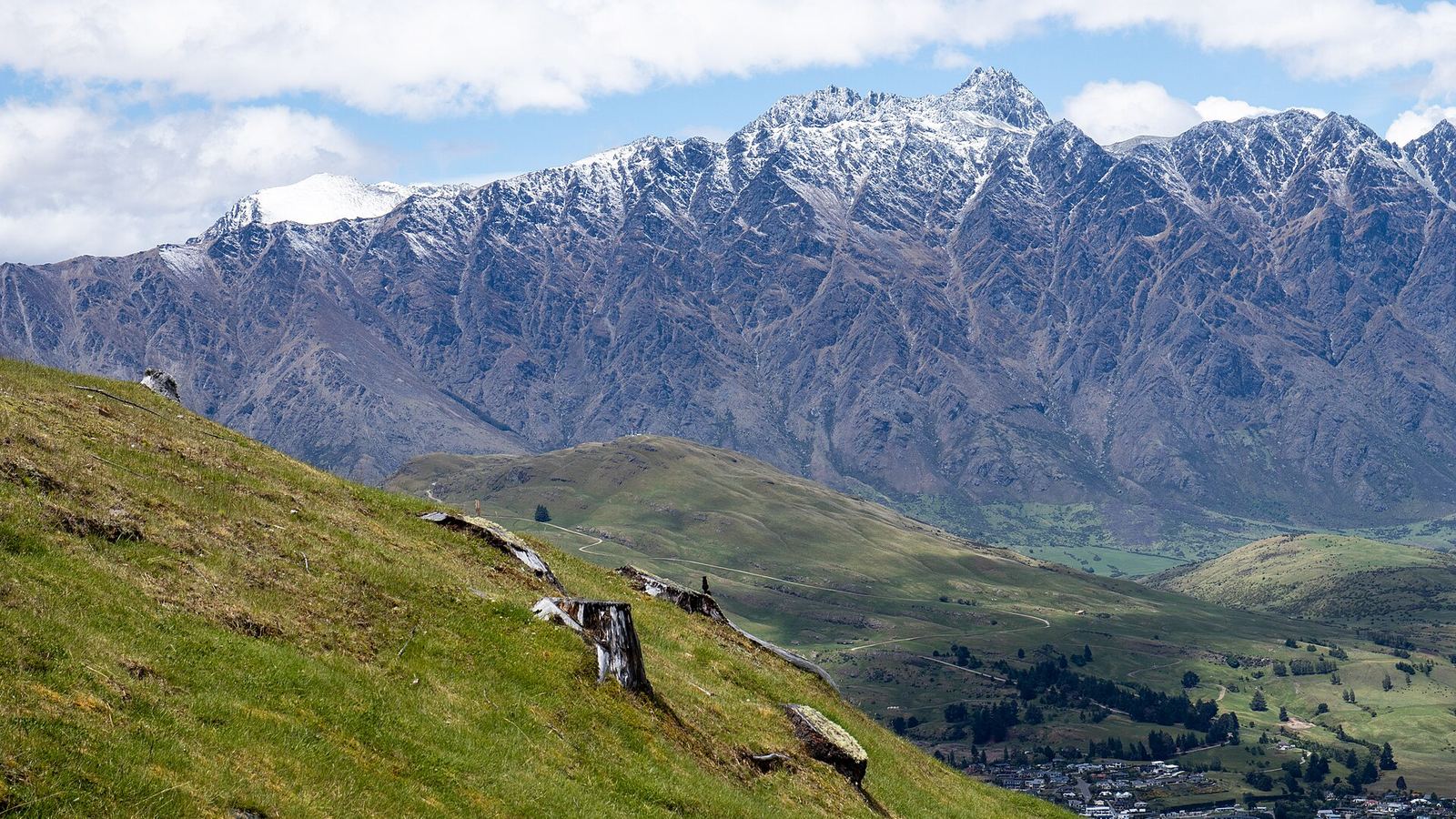
Costs are similar to Australia, slightly lower outside Queenstown and Auckland. Campervans are popular and can be good value in shoulder season, but rental rates jump in December and January. Budget separately for headline activities such as a Milford Sound cruise, the Waitomo glowworm caves or bungy in Queenstown. Most visitors also pay an NZeTA fee plus the NZ$100 International Visitor Conservation and Tourism Levy before arrival.
Fiji
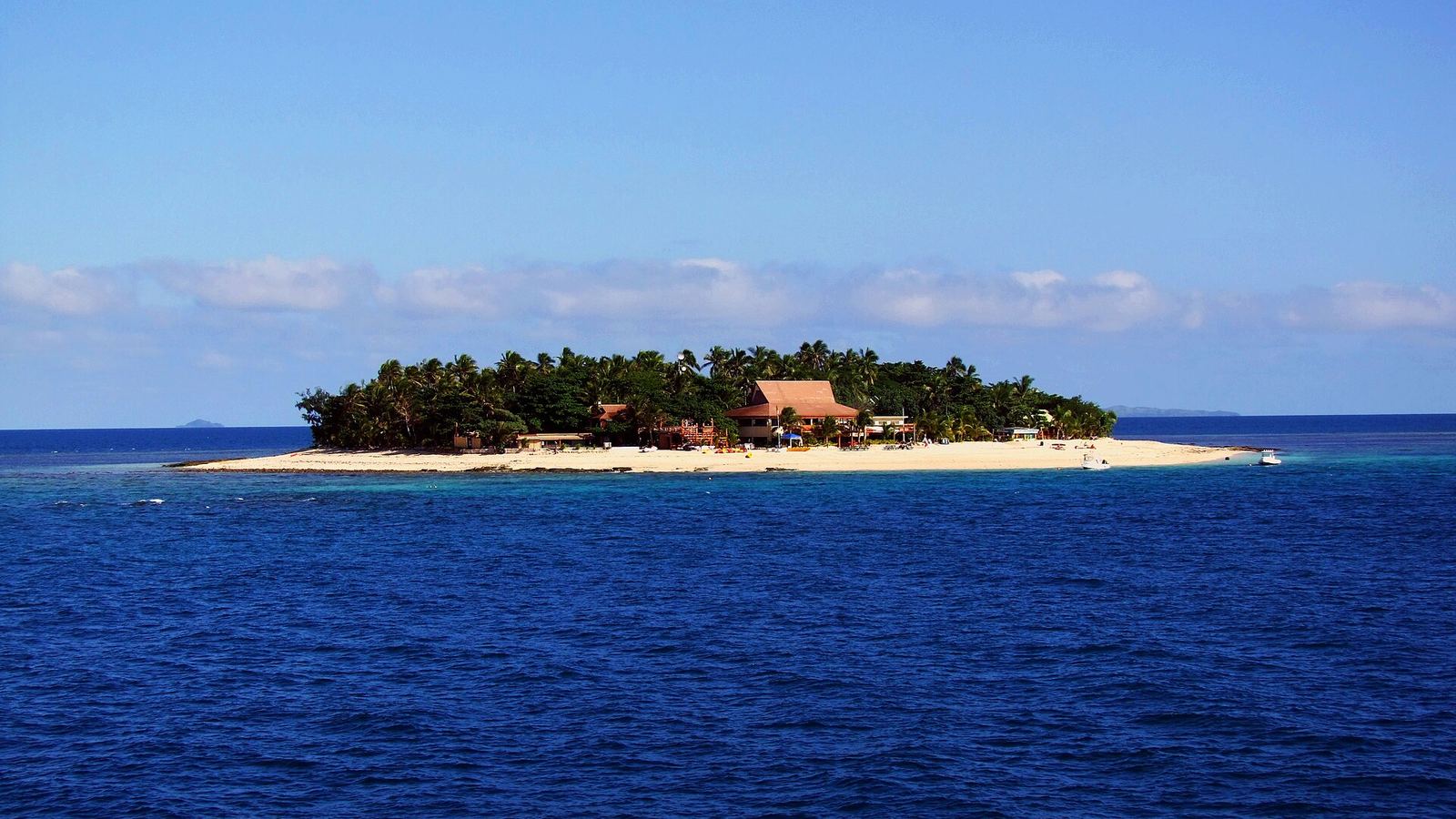
Fiji has the widest range in the South Pacific. Backpacker resorts in the Yasawa Islands often bundle meals into the room rate, which keeps daily costs predictable. Ferry passes and island transfers are a real line item, so price them in. At the top end, private-island resorts in the Mamanuca Islands and beyond can run well over USD 1,000 a night.
French Polynesia
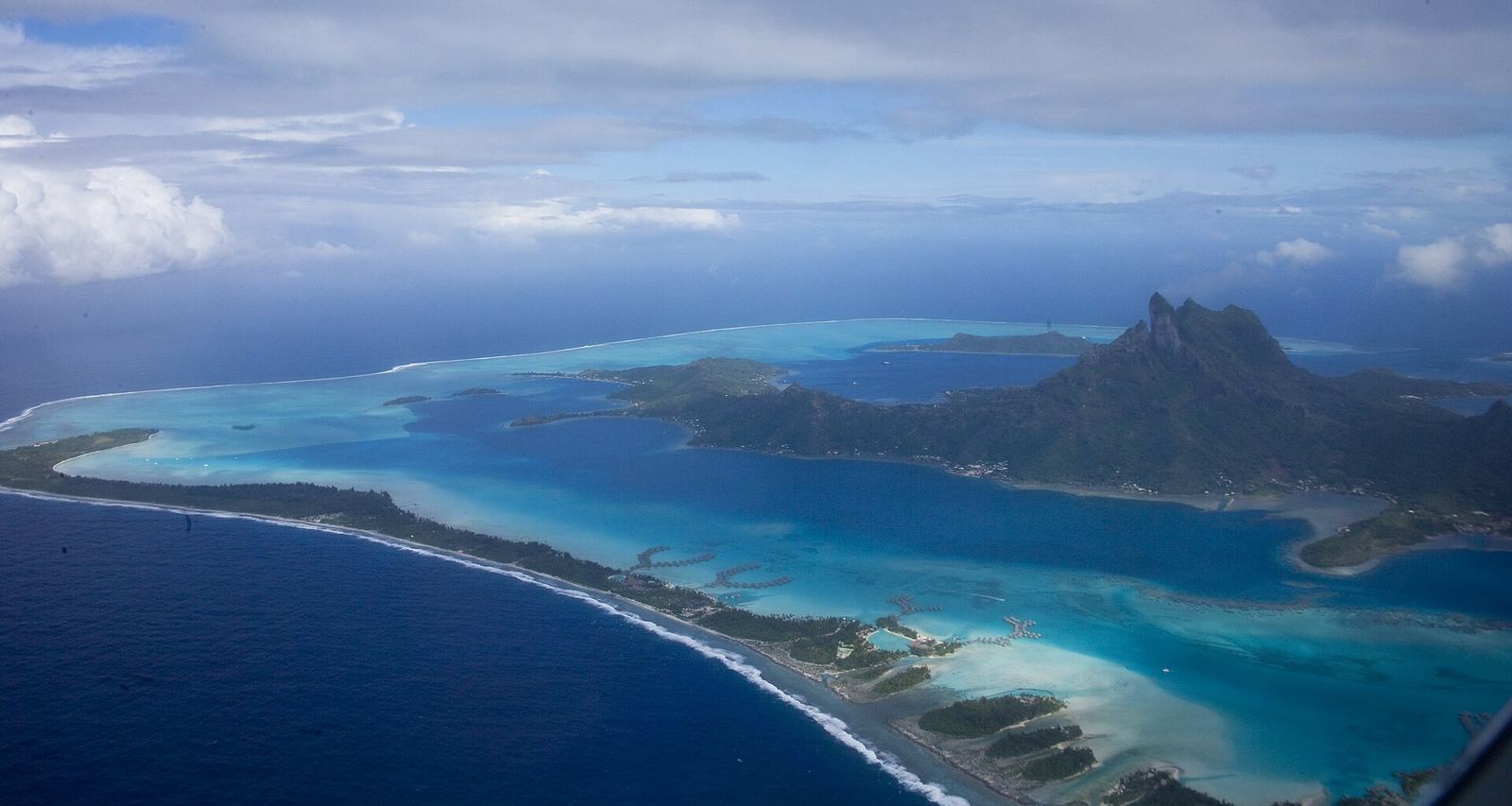
Expect high prices for almost everything. Overwater bungalows on the Bora Bora lagoon are famously expensive, but family-run pensions on Moorea, Huahine and the Tuamotus offer a much more affordable way to see the islands. Air Tahiti's multi-island passes can reduce the cost of island-hopping compared with buying individual tickets.
Cook Islands, Samoa and Tonga
These three offer some of the best value in Polynesia. Samoa's beach fale (open-sided huts) often include breakfast and dinner, and entrance fees to sights like the To Sua Ocean Trench are modest. The Cook Islands are pricier, particularly on Aitutaki, where a day trip to the Aitutaki Lagoon from Rarotonga is a common splurge.
Melanesia and Micronesia
Vanuatu is moderate, though a trip to Mount Yasur on Tanna adds domestic flights and tour fees. Papua New Guinea is more expensive than many expect, since good accommodation is limited and security and guided logistics add cost, especially for treks like the Kokoda Track. Palau and the Federated States of Micronesia use the US dollar; diving and boat trips to the Rock Islands are the main expense, and Palau charges a Pristine Paradise Environmental Fee that is usually built into your ticket.
Compare hotels & resorts
Free cancellation on many stays across Oceania. Via Booking.com.
Hidden costs to plan for
- Entry fees and travel authorizations: Australia's ETA (around AUD 20 for eligible passports), New Zealand's NZeTA plus levy, and departure taxes that are sometimes, but not always, included in airfares.
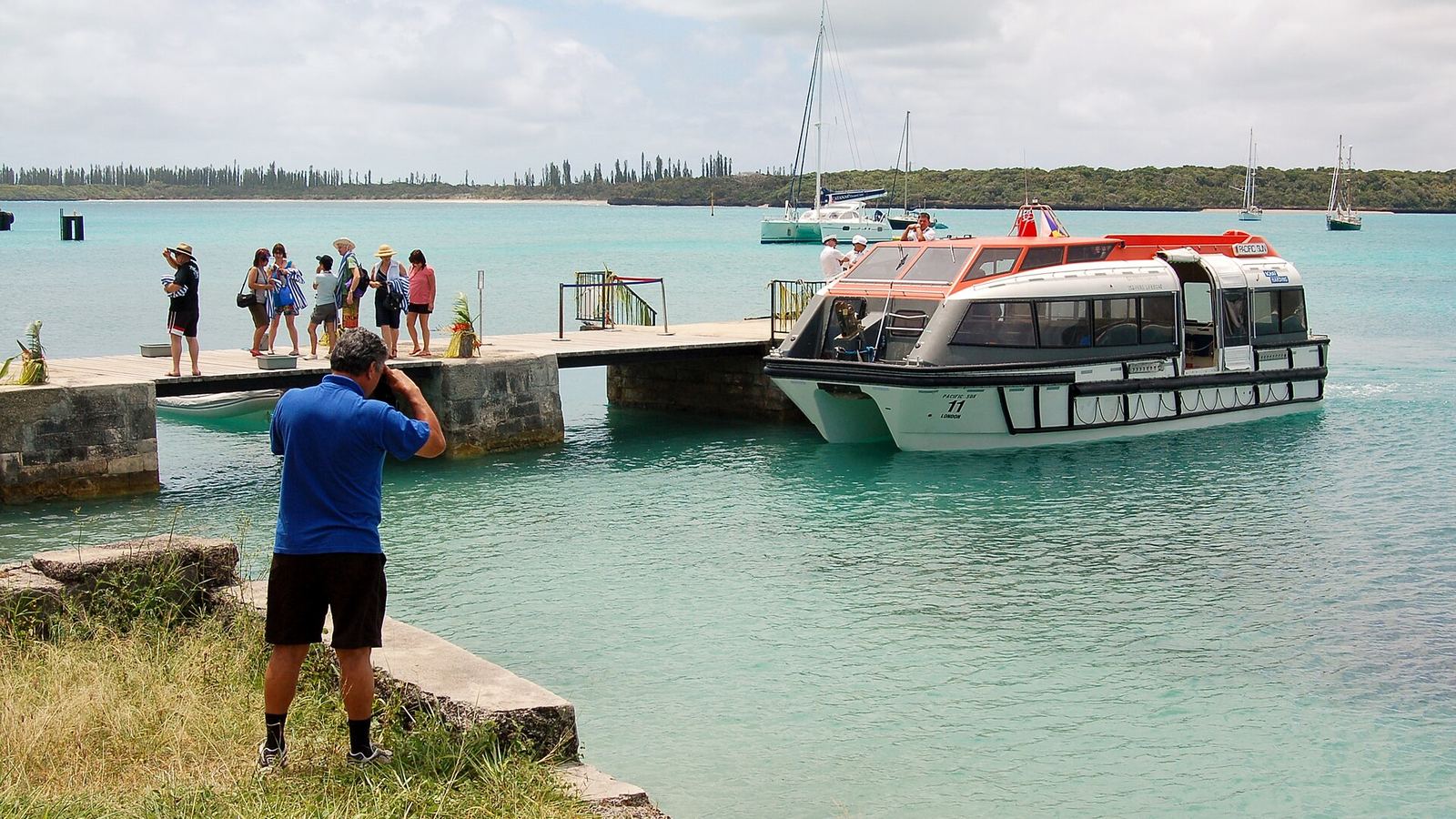
- Inter-island transport: boats and small planes between islands are often the most expensive part of a South Pacific trip.
- Resort transfers and meal plans: on remote islands, the resort may be the only place to eat, so a meal plan can be a necessity rather than an upgrade.
- Connectivity: roaming in the Pacific can be expensive. See our eSIM guide for Oceania before you go.
- Card fees and cash: card acceptance is good in Australia and New Zealand, but outer islands often run on cash. Card surcharges of a few percent are common.
Ways to stretch your budget
- Travel in shoulder season. Check our best time to visit guide; months like April–May and September–November can bring lower prices in many places.
- Book inter-island flights and ferries as a package or pass where available.
- Mix stays: a few nights at a guesthouse can pay for one special night at a resort.
- Self-cater in Australia and New Zealand, where supermarkets are well stocked and many hostels and motels have kitchens.
- Plan routing carefully. Our guide to getting around Oceania explains which hubs make island-hopping cheaper.
Find cheap flights
Compare fares to Sydney, Auckland, Nadi, Papeete and beyond. Via Trip.com.
Sample two-week budgets
To put the ranges into context, here is what two weeks might cost per person, excluding international flights:
- Backpacker Fiji and Samoa: roughly USD 800–1,300, including island transfers.
- Mid-range New Zealand road trip: roughly USD 2,000–3,200, including a rental car and a few paid activities.
- Luxury French Polynesia honeymoon: often USD 7,000–15,000 or more, depending on how many nights are spent overwater. Our honeymoon guide covers the options.
Whatever your style, set aside a buffer of around 10–15 percent for weather delays, which are common on small-island flights and boat transfers. Once your budget is set, browse tours and our packing guide to finish your planning.
Map of places in this guide
Frequently asked questions
What is the cheapest country to visit in Oceania?
Samoa, Tonga and Fiji are generally the most affordable, with backpacker budgets of roughly USD 40–70 a day per person. Inter-island transport can raise that figure.
What is the most expensive destination in the South Pacific?
French Polynesia is usually the priciest, followed by New Caledonia. Overwater bungalows in Bora Bora can cost well over USD 1,000 a night.
How much should I budget per day for Australia?
Roughly USD 60–90 per person for backpackers, USD 150–250 for mid-range travelers and USD 400 or more for luxury, excluding international flights.
Do these budgets include flights?
No. The ranges cover accommodation, food, local transport and modest sightseeing. International flights, insurance and big extras like scenic flights are not included.
Some links on this page are affiliate links. If you book through them we may earn a small commission at no extra cost to you. Learn more.