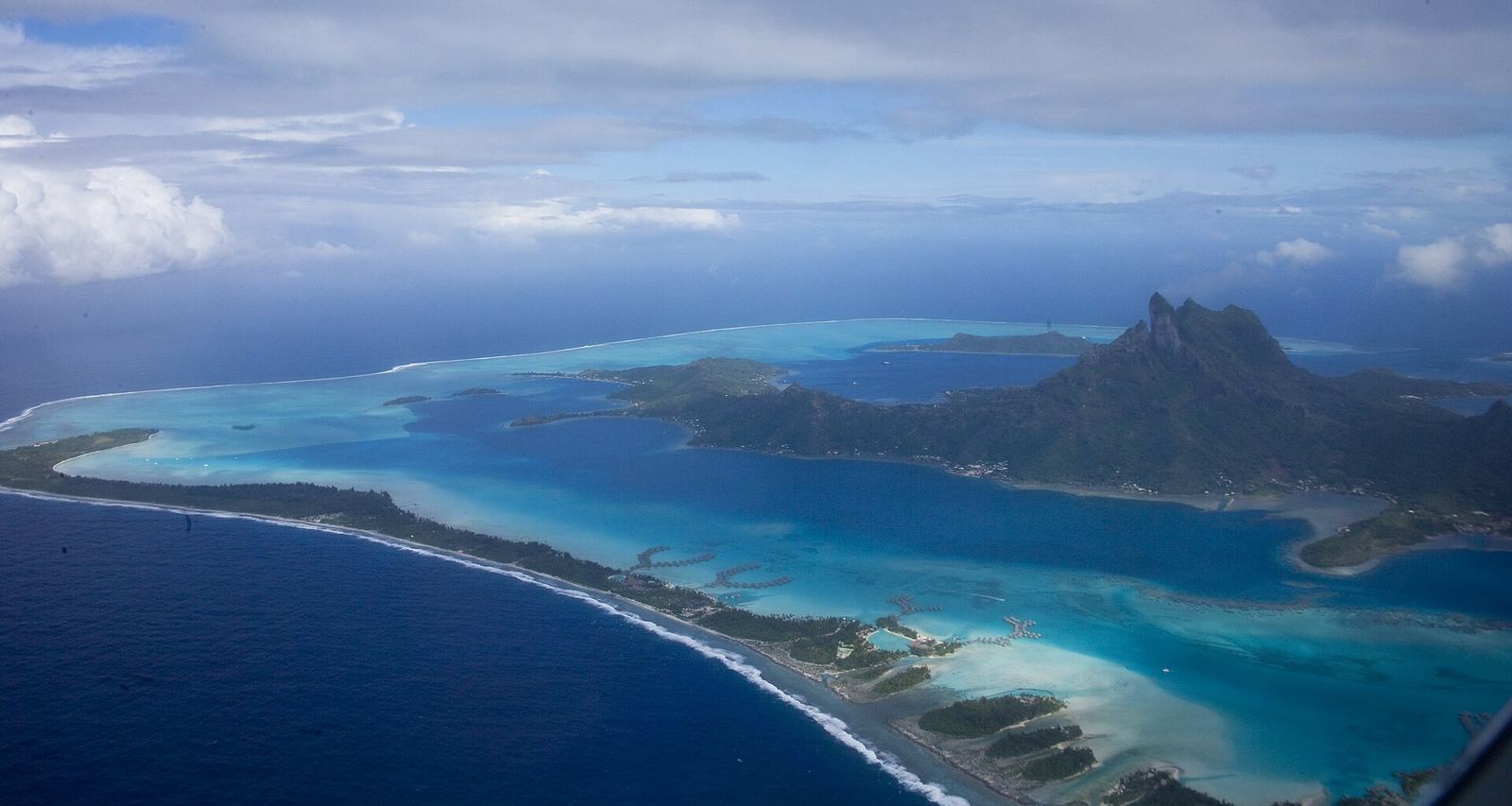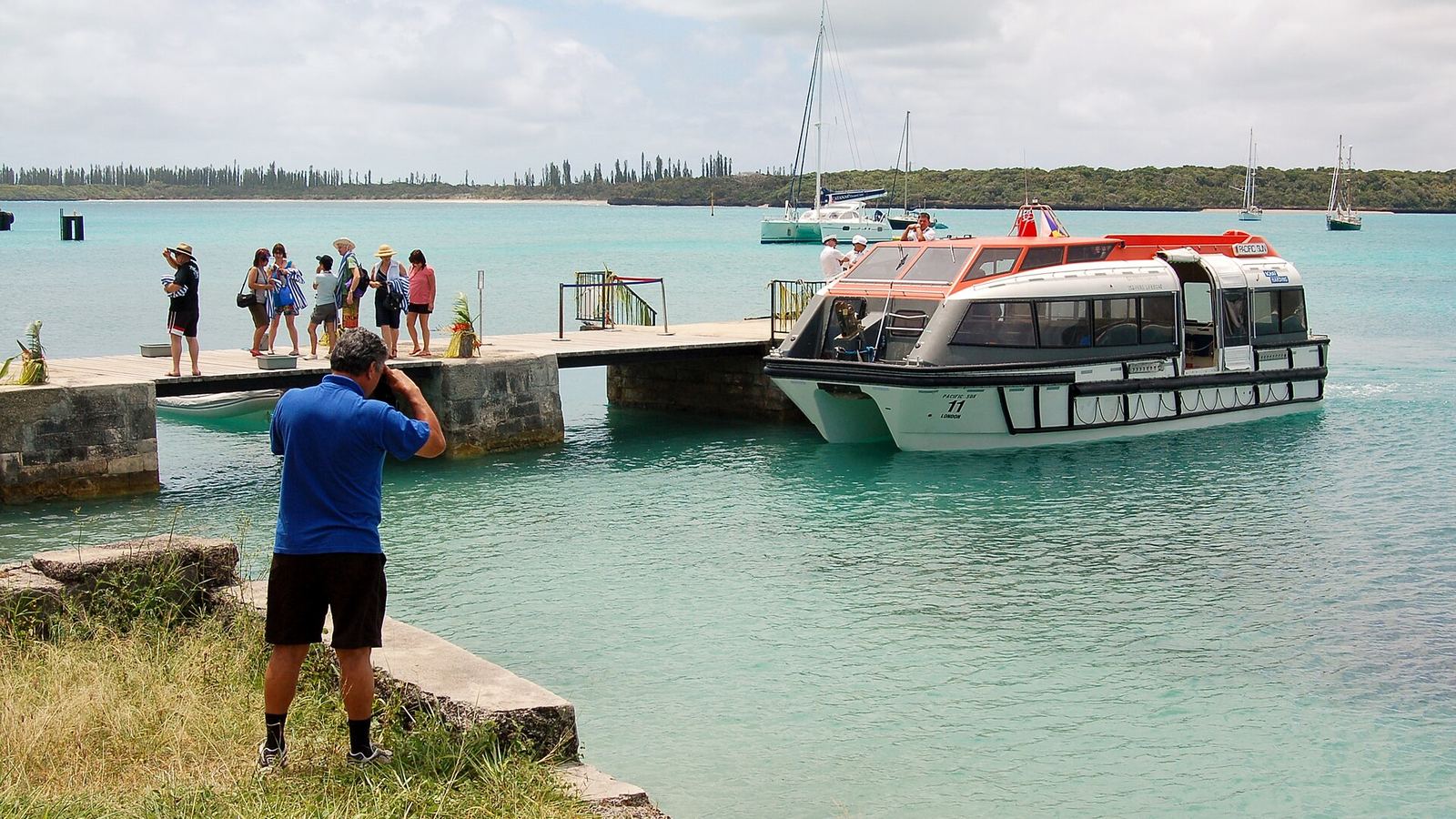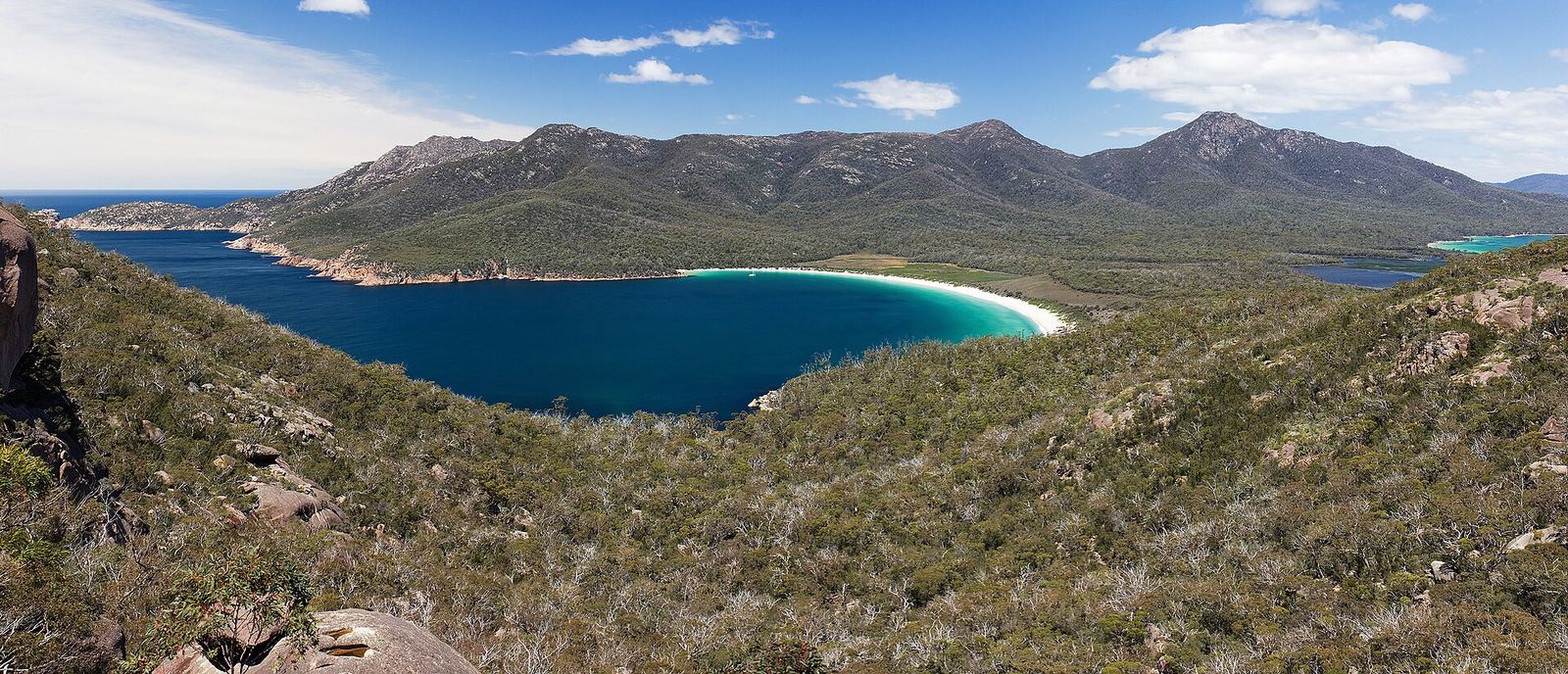
For many travelers, the big Oceania decision comes down to two countries: Australia or New Zealand. They are neighbors with a shared love of the outdoors, coffee and sport, and they are often lumped together, yet the experiences they offer are very different. Australia is a continent of vast distances, reef, outback and big cities. New Zealand is a compact, mountainous country built for road trips and adventure. This guide compares them side by side so you can choose, or decide whether to combine them.
Australia vs New Zealand at a glance
| Australia | New Zealand | |
|---|---|---|
| Size | About 7.7 million sq km, similar to the continental US | About 268,000 sq km, similar to the UK or Colorado |
| Population | About 27 million | About 5.3 million |
| Landscapes | Reef, desert, rainforest, long beaches | Mountains, fiords, glaciers, volcanoes, lakes |
| Signature sights | Great Barrier Reef, Uluru, Sydney Opera House | Milford Sound, Tongariro, Queenstown, Hobbiton |
| Wildlife | Kangaroos, koalas, crocodiles, reef life | Birds (kea, kiwi), seals, dolphins, whales |
| Cities | Large, cosmopolitan: Sydney, Melbourne, Brisbane | Smaller and laid-back: Auckland, Wellington |
| Getting around | Mostly by domestic flight between regions | Mostly by car or campervan |
| Ideal trip length | 2-3 weeks for a first visit | 2-3 weeks for both islands |
| Entry for most visitors | ETA (about AUD 20) or free eVisitor for eligible Europeans | NZeTA (NZD 17-23) plus NZD 100 visitor levy |
| Best for | Beaches, diving, cities, outback, warm weather | Hiking, road trips, adventure sports, scenery |
Scenery and nature
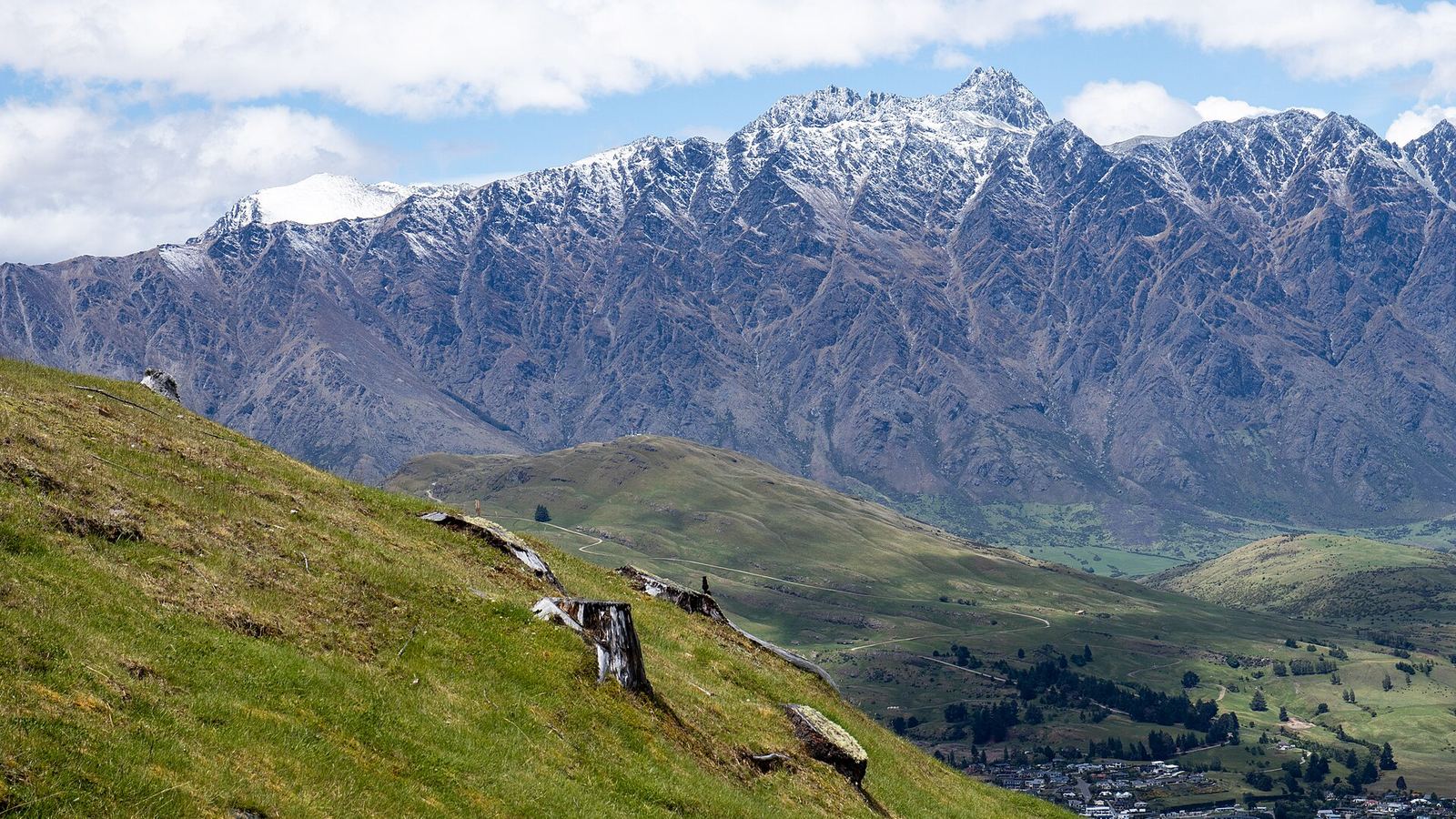
New Zealand's scenery is famously concentrated. In a single day on the South Island you can drive from snow-capped peaks to glacier-fed lakes and rainforest. The Milford Sound fiord, the glacial blue of Lake Tekapo, the volcanic terrain of the Tongariro Alpine Crossing and the peaks around Aoraki/Mount Cook make it one of the world's great road-trip countries.
Australia's landscapes are bigger in scale and more varied in climate. You can snorkel the Great Barrier Reef, watch the sun set over Uluru in the red desert, walk through the ancient Daintree Rainforest and drive past the Twelve Apostles on the Great Ocean Road. The trade-off is distance: these places are thousands of kilometers apart.
Verdict: New Zealand for mountains and compact drama; Australia for reef, desert and variety.
Beaches and the ocean
Australia wins easily for beach holidays. Warm water, white sand and world-class surf stretch from Bondi Beach to the Whitsundays, and the reef offers some of the best snorkeling and diving on the planet. New Zealand has beautiful beaches, notably in the Bay of Islands and Abel Tasman National Park, but the water is cooler and swimming season shorter.
Adventure and hiking
New Zealand is the adventure capital of the region. Queenstown is the home of commercial bungy jumping, and jet boating, skydiving, skiing and canyoning are everywhere. The country's Great Walks, multi-day hiking trails maintained by the Department of Conservation, are some of the best in the world. Australia has excellent hiking too, especially in Tasmania, the Blue Mountains and the Red Centre, plus world-class diving, but adventure is less concentrated.
Wildlife
Australia's wildlife is iconic and accessible: kangaroos, wallabies, koalas, wombats, echidnas, and in the north, saltwater crocodiles. Underwater, the reef supports thousands of species. New Zealand has no native land mammals besides bats, but its birdlife is unique, from the cheeky kea to the elusive kiwi, and its waters host dolphins, fur seals and whales, notably at Kaikoura. If seeing unusual animals is a priority, Australia has the edge.
Cities and culture
Sydney and Melbourne are major global cities with world-class dining, arts and nightlife; our Sydney first-timer's guide covers the highlights. New Zealand's cities are smaller and more relaxed, with Wellington standing out for its food, coffee and the national museum, Te Papa.
Both countries have deep Indigenous cultures. In Australia, Aboriginal and Torres Strait Islander cultures are among the oldest continuous cultures on Earth, and Indigenous-guided tours at places like Uluru and Kakadu are highly recommended. In New Zealand, Māori culture is visible in daily life, language and place names, and Rotorua and the Waitangi Treaty Grounds are excellent places to learn more.
Getting around
This is perhaps the biggest practical difference. In Australia, a two-week trip usually means three or four domestic flights; driving between major sights would take days. In New Zealand, the classic way to travel is by rental car or campervan, with distances that are manageable though roads are winding. The Interislander and Bluebridge ferries link the North and South islands.
Find cheap flights
Compare fares to Sydney, Auckland, Nadi, Papeete and beyond. Via Trip.com.
Weather and when to go
Australia has a destination in good weather year-round: the tropical north and Uluru shine from May to October, while the south is best from November to April. New Zealand is more seasonal. December to March is the best time for hiking and road trips, while June to September is ski season. Spring and autumn are quieter in both. See our best time to visit Australia guide and our general best time to visit page.
Costs
Both countries are expensive by global standards, with broadly similar costs for accommodation, food and activities. Australia's internal flights add to the budget, while New Zealand's car hire, fuel and the visitor levy add up. A mid-range traveler should expect roughly AUD 250-400 per day in Australia and NZD 250-400 per day in New Zealand, excluding international flights. The New Zealand dollar is typically worth a little less than the Australian dollar.
Compare hotels & resorts
Free cancellation on many stays across Oceania. Via Booking.com.
Which should you choose?
- Choose Australia if you want beaches, reef snorkeling or diving, warm weather, iconic wildlife, outback landscapes and big-city energy.
- Choose New Zealand if you love mountains, hiking, road trips, adventure sports and dramatic scenery packed into short distances.
- Combine both if you have three weeks or more. Flights across the Tasman Sea take around three hours between Sydney or Melbourne and Auckland, Christchurch or Queenstown, and open-jaw international tickets make it straightforward.
A sample three-week combination
- Days 1-4: Sydney and the Blue Mountains.
- Days 5-8: Cairns and the Great Barrier Reef.
- Days 9-10: Uluru.
- Days 11-21: Fly to Queenstown or Christchurch for a South Island road trip, ending in Christchurch.
Use our two-week Australia itinerary and South Island road trip to fill in the details, or add the North Island. Book car hire early for New Zealand's summer, and set up an eSIM that covers both countries.
Compare car hire
Road-trip Australia and New Zealand for less. Via DiscoverCars.
Map of places in this guide
Frequently asked questions
Is Australia or New Zealand better for a first trip?
Choose Australia for beaches, reef, wildlife and cities, and New Zealand for mountains, hiking and road trips. Both are safe, English-speaking and easy for first-time visitors.
Can you visit Australia and New Zealand in one trip?
Yes. Flights across the Tasman take about three hours, so three weeks is enough to see highlights of both. Remember you need separate entry authorizations for each country.
Which is cheaper, Australia or New Zealand?
Daily costs are broadly similar. Australia's domestic flights raise trip costs, while New Zealand's car hire, fuel and NZD 100 visitor levy add to its budget.
Which country has better scenery?
New Zealand packs more dramatic mountain and fiord scenery into a small area. Australia offers more variety, from reef and rainforest to red desert, but over much greater distances.
Some links on this page are affiliate links. If you book through them we may earn a small commission at no extra cost to you. Learn more.