Staying connected in Oceania ranges from effortless to nearly impossible. In Sydney or Auckland you will have fast 5G almost everywhere. On an outer island in Vanuatu or the Solomon Islands, you may have one bar of signal near the village store and nothing at all on the beach. This guide explains how eSIMs work in the region, which networks to look for in Australia and New Zealand, and what to expect on remote islands in 2026.
eSIM, local SIM or roaming?
An eSIM is a digital SIM you download to your phone before or after you arrive. Most recent iPhones, Google Pixels and Samsung Galaxy phones support them, but your phone must be carrier-unlocked. There are three main ways to get online:
| Option | Best for | Watch out for |
|---|---|---|
| Travel eSIM (data-only) | Australia, New Zealand, Hawaii and short trips; activating before you land | Many regional plans exclude Pacific island nations; usually no local phone number |
| Local prepaid SIM or eSIM | Longer stays, island nations, needing a local number | ID checks at purchase; some island carriers only sell physical SIMs |
| Home carrier roaming | Convenience, very short stays | Daily passes can be expensive and coverage in the Pacific is often limited |
For most trips that combine Australia or New Zealand with one or two island nations, the practical setup is a travel eSIM for the big countries plus a local SIM (or resort Wi-Fi) on the islands. You can compare options on our eSIM page.
Get a travel eSIM
Data from the moment you land, no SIM swap needed. Via Airalo.
Australia: networks and coverage
Australia has three mobile network operators: Telstra, Optus and TPG Telecom (which runs the Vodafone brand). Many budget brands resell access on these networks. Older 3G networks have been switched off, so very old phones that cannot use 4G calling may not work at all.
- Telstra has the widest coverage by far, and it matters once you leave the cities. If you are driving the outback, heading to Uluru or Kakadu, or exploring the Daintree Rainforest, a plan on Telstra's network is the safest choice.
- Optus and Vodafone are fine in and between major cities and along much of the east coast, but drop out sooner in rural areas.
Even on Telstra, large parts of the interior have no coverage. Long stretches of highway, parts of the Great Ocean Road near the Twelve Apostles, and national parks in Tasmania such as Cradle Mountain can be patchy. Download offline maps before driving, and for remote walks or 4WD trips carry a personal locator beacon (PLB), which can often be hired locally.
New Zealand: networks and coverage
New Zealand's three networks are One NZ (formerly Vodafone NZ), Spark and 2degrees. Coverage is strong in towns and along main highways, but mountains create plenty of dead zones.
- Expect little or no signal on the road into Milford Sound, in much of Fiordland, on parts of the West Coast and on alpine walks like the Tongariro Alpine Crossing.
- Around Aoraki/Mount Cook, coverage is limited to the village area.
- One NZ offers satellite texting on compatible phones and plans, which can help in dead zones, but it is not a replacement for a PLB on backcountry trips.
Travel eSIMs for New Zealand usually ride on one of these three networks. Check which one before buying if you plan to spend time in rural areas.
Pacific islands: what to expect
Coverage in the island nations is concentrated on main islands and towns. Here is a quick overview of the main carriers:
| Destination | Main mobile carriers | Coverage reality |
|---|---|---|
| Fiji | Vodafone Fiji, Digicel | Good on Viti Levu and Vanua Levu; patchy in the outer Yasawas and Lau group |
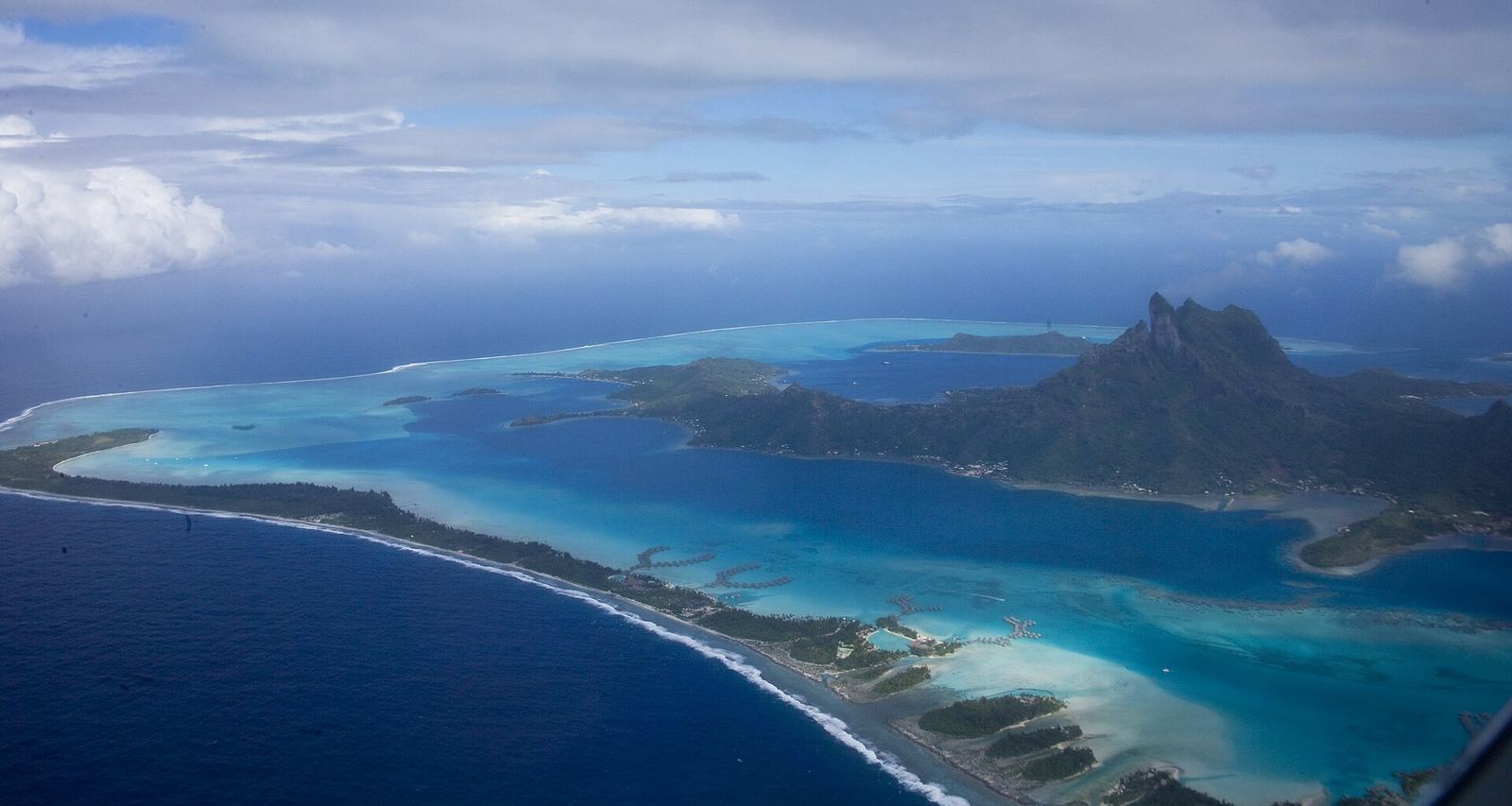
| French Polynesia | Vini, Vodafone | Good on Tahiti, Moorea and Bora Bora; limited on remote atolls |
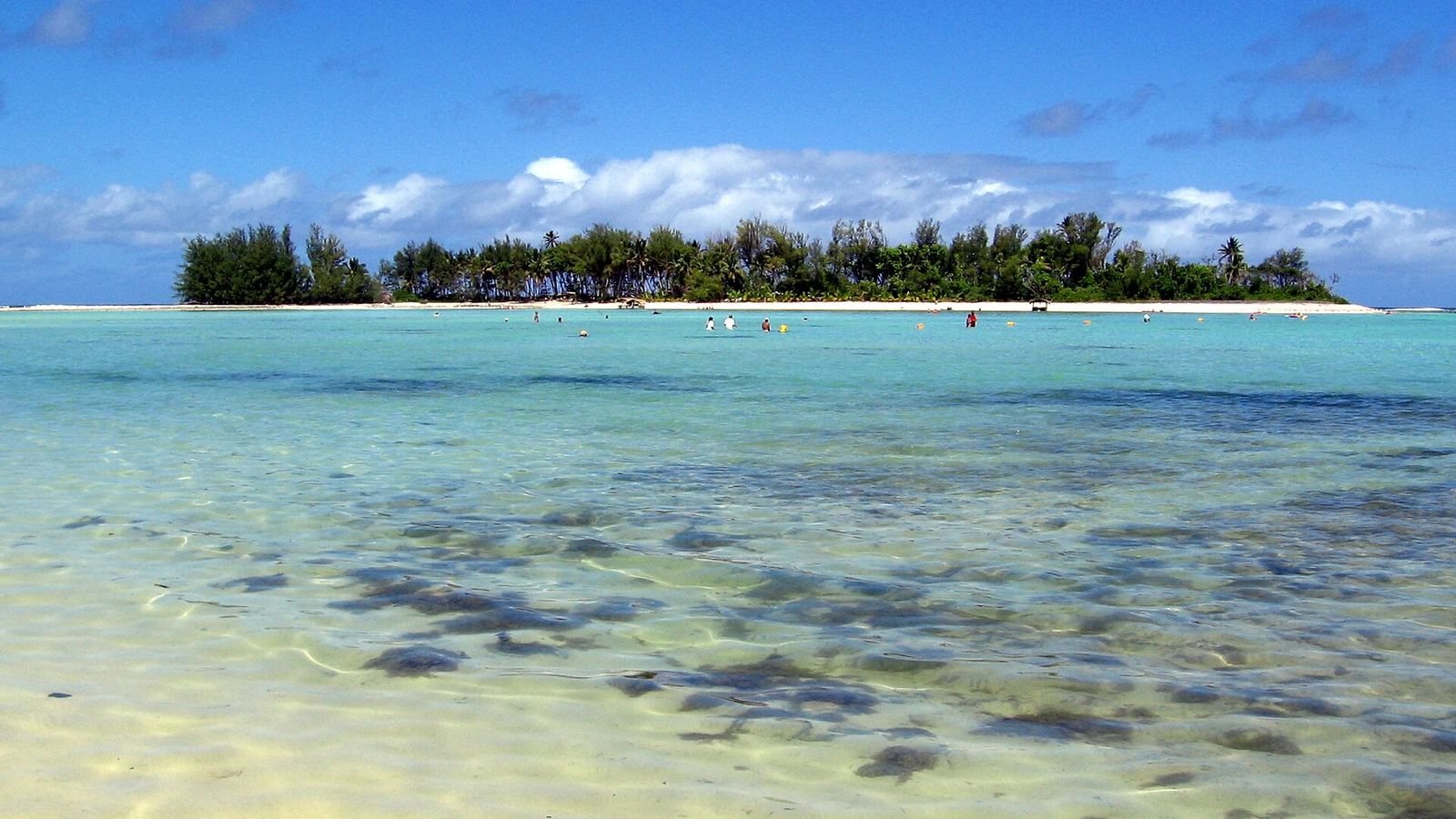
| Cook Islands | Vodafone Cook Islands | Reliable on Rarotonga and Aitutaki; data can be pricey |
| Samoa | Digicel, Vodafone | Good on Upolu, decent on Savai'i |
| Tonga | Digicel, U-Call (TCC) | Good on Tongatapu; variable in Ha'apai and Vava'u |
| Vanuatu | Digicel, Vodafone | Port Vila and Luganville fine; sparse on Tanna and outer islands |
| Papua New Guinea | Digicel, Vodafone PNG | Towns only; none on most of the Kokoda Track |
| Palau | PNCC | Koror area; little in the Rock Islands |
Practical tips for the islands:
- Buy at the airport. Carrier kiosks at Nadi, Papeete, Rarotonga, Apia and Port Vila airports typically sell tourist SIMs with data bundles. Bring your passport.
- Check eSIM coverage country by country. Many "Asia-Pacific" or "Oceania" travel eSIMs cover only Australia and New Zealand. Coverage for Fiji, French Polynesia or Samoa is less common and can be slower or pricier.
- Resort Wi-Fi varies. Many island resorts now use satellite internet (often Starlink), which has improved speeds dramatically, but some still offer slow or paid Wi-Fi. Ask before booking if staying online matters.
- Expect outages. Weather and undersea cable issues can cut service for hours or days. Keep important documents offline.
How much data do you need?
Most travelers use roughly 1–2 GB a day for maps, messaging and social media, more if you upload photos or video. In Australia and New Zealand, data is relatively affordable, so a 10–20 GB plan for two weeks is usually enough. On the islands, data is often sold in smaller, pricier bundles, so lean on Wi-Fi for backups and large uploads, and set your phone to sync photos only on Wi-Fi.
Neighbor destinations
Hawaii uses US networks, so US travelers can usually use their regular plan, and travel eSIMs work well. Bali has excellent eSIM support and inexpensive local SIMs, though tourist SIMs must be registered with your passport. Easter Island has 4G coverage around Hanga Roa, mostly through Entel, but signal fades across much of the island. See our guides to a Bali stopover and to Easter Island for more.
Compare hotels & resorts
Free cancellation on many stays across Oceania. Via Booking.com.
Setup checklist before you fly
- Confirm your phone is unlocked and eSIM-compatible.
- Install the travel eSIM while on home Wi-Fi, but set it to activate on arrival if the plan allows.
- Turn off data roaming on your home line to avoid surprise charges, but keep it on for the eSIM line.
- Download offline maps for the areas you will visit and save booking confirmations as PDFs.
- Set up Wi-Fi calling on your home line if you need to receive bank codes by SMS.
- For hiking or road trips in remote areas, hire or bring a PLB.
Connectivity is one of the hidden costs covered in our Oceania travel budget guide, and a phone power bank belongs on every Oceania packing list.
Map of places in this guide
Frequently asked questions
Which network has the best coverage in Australia?
Telstra has the widest coverage, especially in rural and outback areas. Optus and Vodafone work well in cities but drop out sooner in remote regions.
Do travel eSIMs work in Fiji and other Pacific islands?
Some do, but many Oceania or Asia-Pacific eSIM plans only cover Australia and New Zealand. Check each country individually, or buy a local SIM at the airport.
Is there mobile coverage at Milford Sound?
Coverage is very limited on the road to Milford Sound and in much of Fiordland, so download offline maps and plan to be without signal for several hours.
Do I need my passport to buy a SIM card?
Usually yes. Australia and many Pacific carriers require ID to register a prepaid SIM, so have your passport with you.
Some links on this page are affiliate links. If you book through them we may earn a small commission at no extra cost to you. Learn more.