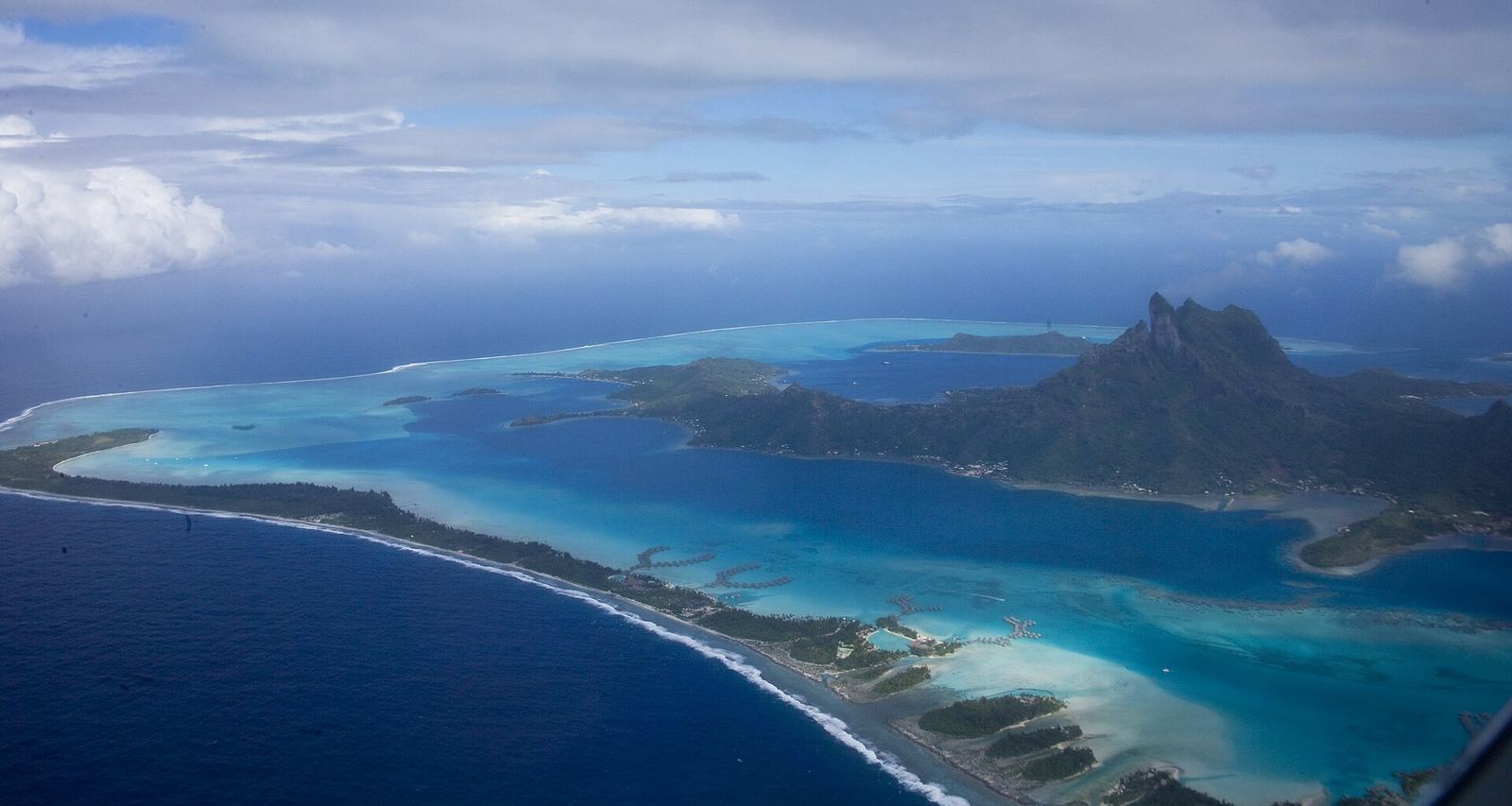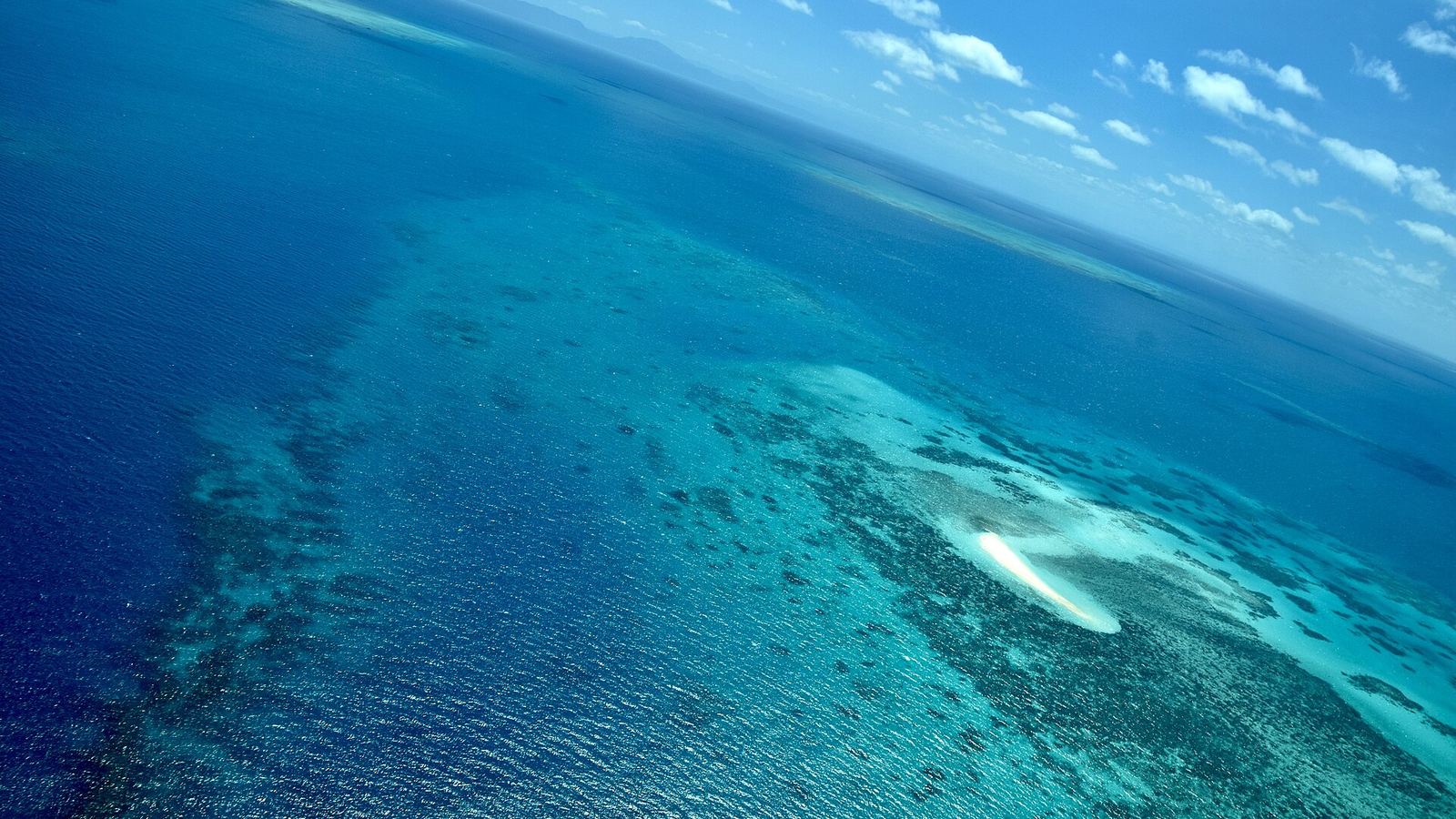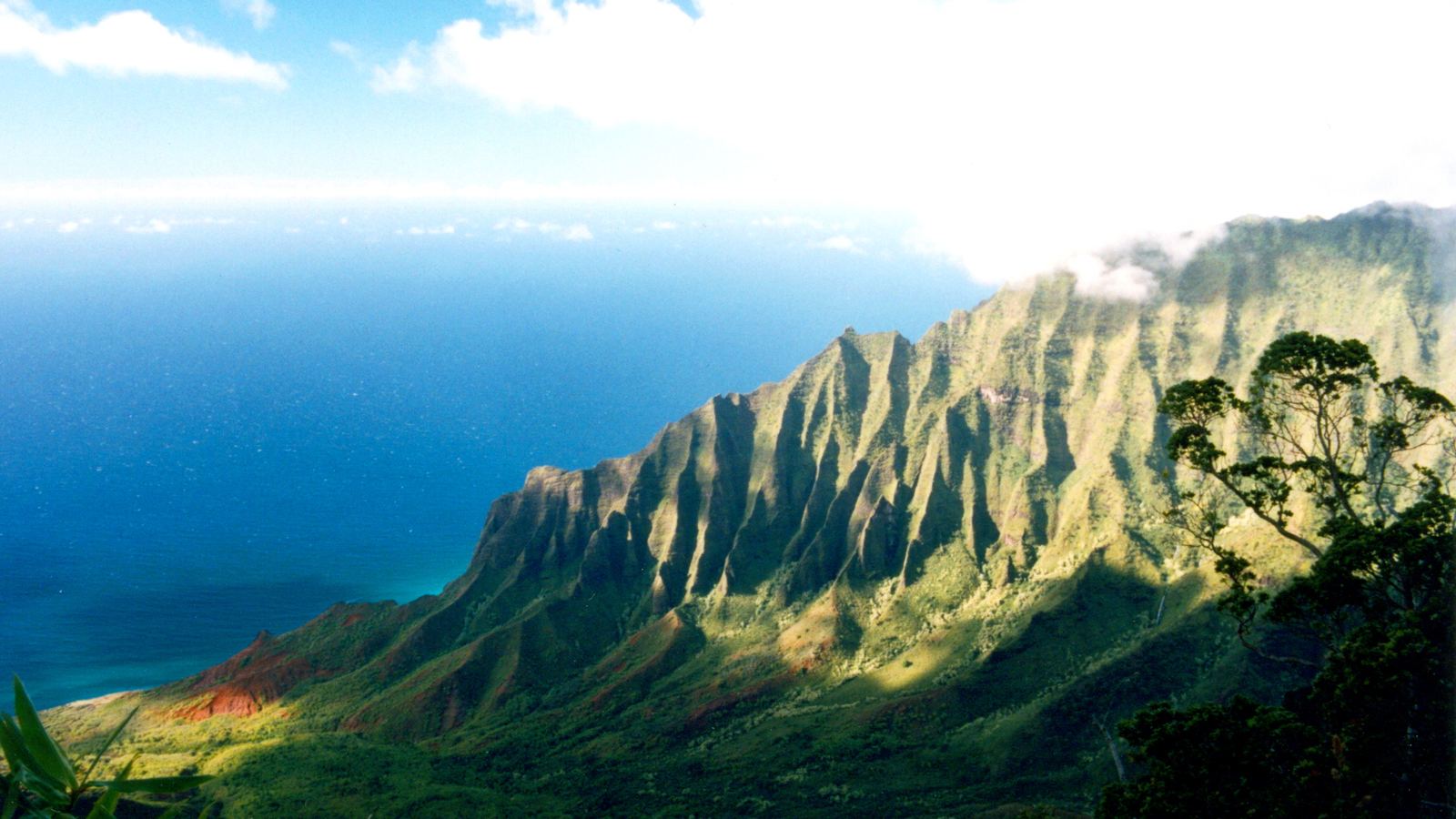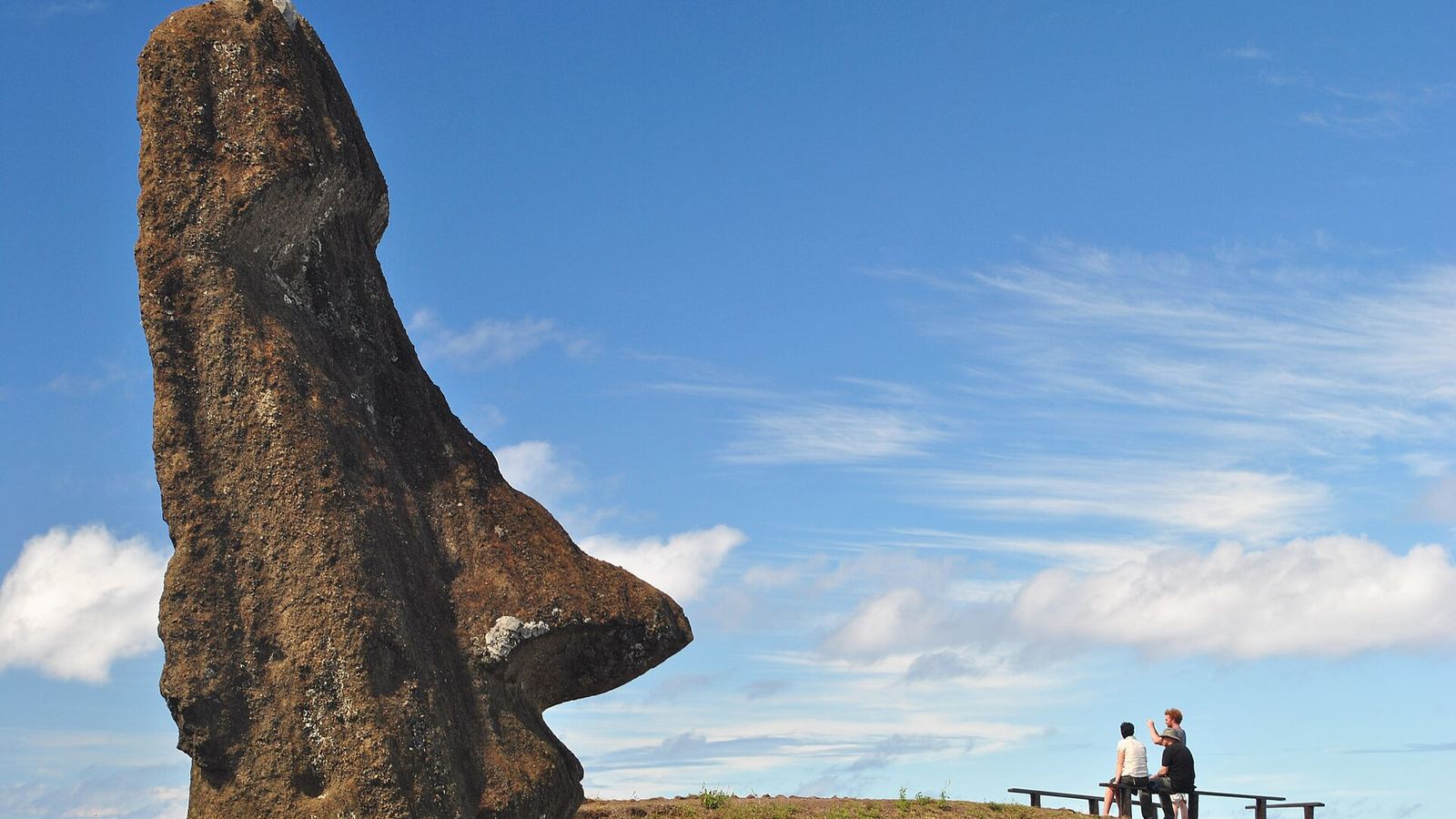
Easter Island, known to its people as Rapa Nui, is one of the most remote inhabited places on Earth. It lies more than 3,500 km off the coast of Chile and forms the eastern corner of the Polynesian Triangle, with Hawaii and New Zealand at the other two points. The island is famous for its moai, the monumental stone figures carved by the Rapa Nui people centuries ago. It is politically part of Chile, but culturally Polynesian, which is why we cover it as a neighbor to Oceania. This guide covers how to get there, park rules for 2026 and how to plan your days.
Getting there
The only scheduled flights to Mataveri International Airport (IPC) are operated by LATAM from Santiago, Chile. The flight takes about five to six hours, and there are typically several flights a week, more in the peak summer season. Fares vary widely; booking well ahead and flexible dates help.
LATAM has previously flown between Papeete in Tahiti and Easter Island, which made it possible to combine Rapa Nui with French Polynesia without going through South America. That route has been suspended, and as of 2026 there is no confirmed restart date. Travelers coming from Australia or New Zealand usually fly to Santiago (for example, via Auckland or Sydney) and connect there. Check the latest schedules on our flights page.
Find cheap flights
Compare fares to Sydney, Auckland, Nadi, Papeete and beyond. Via Trip.com.
Entry rules and the national park ticket
Easter Island has its own entry rules on top of Chile's national requirements:
- Entry form: all visitors must complete an online entry form before travel, with a return or onward ticket and a booking at registered accommodation (or an invitation from a resident).
- Maximum stay: visitors may stay on the island for up to 30 days.
- Rapa Nui National Park ticket: required to visit the archaeological sites. For foreign adults it costs about USD 100 (prices are also listed in Chilean pesos and can change). It is valid for 10 consecutive days from first use. Buy it in advance from the official national park website and carry your passport.
- Mandatory guides: you must be accompanied by an accredited guide or host at the park's archaeological sites. This rule is part of the community-led management of the park by Ma'u Henua.
- One entry only: your ticket allows just one visit to Rano Raraku and one to Orongo, so plan those for your best-weather day.
The key sites
Rano Raraku: the moai quarry
Rano Raraku is the volcanic crater where most of the island's moai were carved. Hundreds of statues remain on its slopes, many buried up to their shoulders, giving the famous "heads" appearance; in fact most have full bodies below ground. You can see moai at every stage of carving, still attached to the rock. A wildfire in 2022 damaged some statues, and the site is carefully managed, so stay on marked paths. Allow at least one to two hours with your guide.
Ahu Tongariki
Just below Rano Raraku, Ahu Tongariki is the largest ceremonial platform on the island, with 15 moai standing in a row. Restored in the 1990s after a tsunami had scattered them, it is the most popular sunrise spot on Rapa Nui.
Orongo and Rano Kau
The ceremonial village of Orongo sits on the rim of the Rano Kau crater, with a crater lake below and the islets of Motu Nui offshore. This was the center of the Birdman (Tangata Manu) cult, and the site has remarkable petroglyphs.
Other highlights
- Anakena: a white-sand beach with palm trees and the moai of Ahu Nau Nau, some of the best-preserved carvings on the island.
- Ahu Akivi: seven moai that, unusually, face toward the sea.
- Ahu Tahai: near Hanga Roa town, the classic sunset spot.
- Puna Pau: the quarry for the red stone topknots (pukao) placed on some moai.
Suggested itinerary
| Day | Plan |
|---|---|
| 1 | Arrive, settle in Hanga Roa, visit the local museum and watch sunset at Ahu Tahai. |
| 2 | Guided full day on the southeast coast: Ahu Tongariki, Rano Raraku and smaller ahu along the way. |
| 3 | Orongo and Rano Kau in the morning; Ahu Akivi and Puna Pau in the afternoon. |
| 4 | Sunrise at Ahu Tongariki, then relax at Anakena beach. |
| 5 | Snorkeling or diving in famously clear water, horseback riding, or a hike up Maunga Terevaka, the island's highest point. |
Four to five full days lets you see the major sites without rushing. Book guided tours in advance in high season, especially if you want an English-speaking guide.
Tours, tickets & day trips
Reef cruises, Hobbiton, lagoon tours and more. Via GetYourGuide.
Where to stay
Nearly all accommodation is in or near Hanga Roa, the island's only town. Options range from campsites and family-run guesthouses to boutique lodges and a few upscale hotels with ocean views. Supply is limited, so book early for January to March and the Tapati festival.
Compare hotels & resorts
Free cancellation on many stays across Oceania. Via Booking.com.
When to go
Easter Island has a mild subtropical climate. January to March is warmest and busiest, and the Tapati Rapa Nui festival, held in late January or early February, features traditional sports, dance and music. June to August is cooler and wetter but quieter. Rain showers can appear any time of year. Note that the island runs two hours behind mainland Chile.
Practical tips and etiquette
- Respect the moai: never touch the statues or walk on the ahu platforms, which are sacred. Drones require prior authorization.
- Money: the currency is the Chilean peso; US dollars are widely accepted. ATMs are few, so bring some cash.
- Getting around: cars, scooters and bikes can be rented in Hanga Roa, and traffic drives on the right. Many visitors use guided tours with transport to meet the guide requirement easily.
- Connectivity: 4G works around Hanga Roa but fades elsewhere. See our eSIM guide.
- Supplies: almost everything is shipped or flown in, so prices are higher than mainland Chile. Bring sunscreen, a hat and a refillable water bottle; our packing list has more.
Combining with Oceania
Easter Island works best as part of a South American trip, or as an ambitious add-on to Polynesia if the Tahiti flight returns. Many travelers also visit Hawaii and Tahiti on the same "Polynesian Triangle" journey; see our guide to combining Hawaii with the South Pacific and explore Polynesian sites on the landmark map.
Map of places in this guide
Frequently asked questions
How do you get to Easter Island?
LATAM flies to Easter Island from Santiago, Chile, in about five to six hours. The former route from Papeete in Tahiti is suspended, with no confirmed restart date as of 2026.
How much is the Rapa Nui National Park ticket?
For foreign adults it costs about USD 100 and is valid for 10 consecutive days. It allows one visit each to Rano Raraku and Orongo.
Do I need a guide on Easter Island?
Yes. Visitors must be accompanied by an accredited guide or host at the national park's archaeological sites.
How many days do you need on Easter Island?
Four to five full days lets you see the main moai sites, catch sunrise at Ahu Tongariki and enjoy Anakena beach without rushing.
Some links on this page are affiliate links. If you book through them we may earn a small commission at no extra cost to you. Learn more.