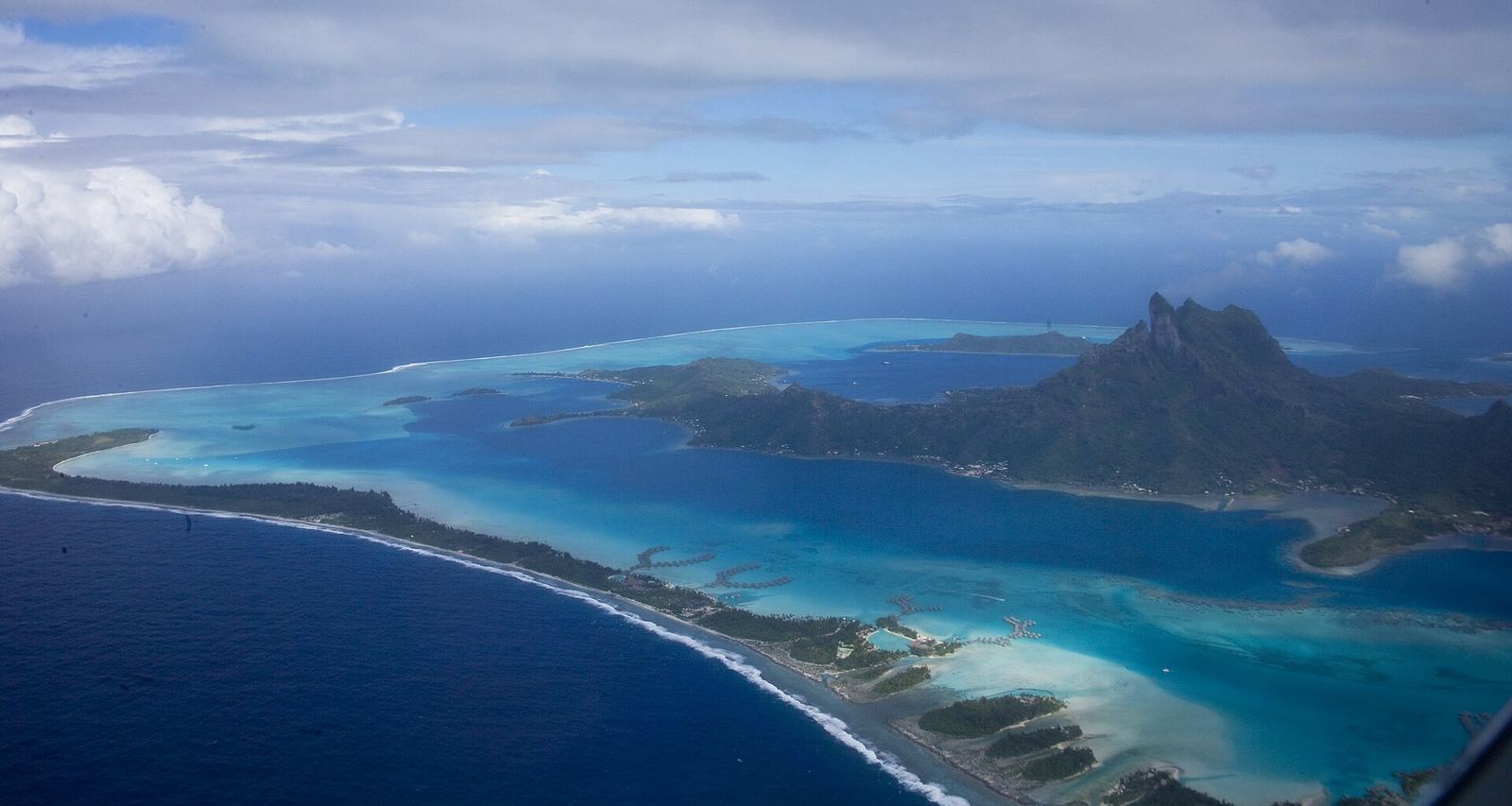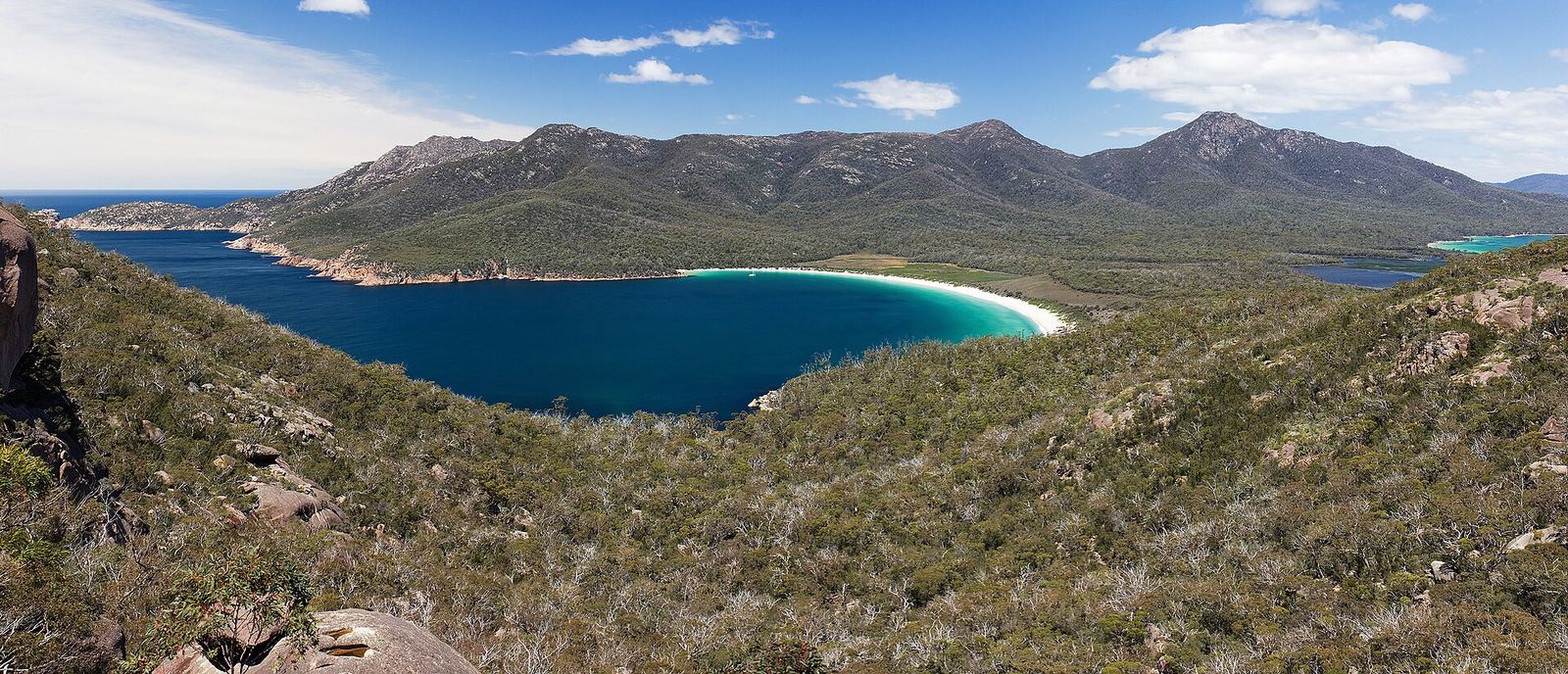
Samoa is the place to see Polynesia without the gloss. Villages still follow fa'a Samoa, the Samoan way, with chiefs, extended families and Sunday church at the center of life. Visitors sleep in open-sided beach fales, swim in waterfalls and lava pools, and drive coastal roads where pigs outnumber cars. The country has two main islands: Upolu, home to the capital Apia and the international airport, and Savai'i, larger, wilder and reached by ferry.
Getting there and entry
Faleolo International Airport on Upolu is served from Auckland, Brisbane, Sydney, Nadi and Honolulu by carriers including Air New Zealand, Fiji Airways and Virgin Australia. Many nationalities receive a visitor permit on arrival for short stays if they have a passport valid for at least six months, a return ticket and accommodation details. Check current rules before booking, and compare flights early for the July and Christmas peaks.
Upolu highlights
To Sua Ocean Trench
The To Sua Ocean Trench is Samoa's signature sight: a 30-meter-deep sinkhole filled with clear seawater, set in lush gardens on the south coast near Lotofaga. A long, steep wooden ladder leads down to a platform, and the pool connects to the ocean through a lava tube, so the water rises and falls with the tide. Pay the entry fee (roughly ST$20 to ST$25 per adult), come early to beat tour groups, and only swim if you are comfortable with currents near the tunnel. The gardens and clifftop blowholes nearby are worth a wander.
More on Upolu
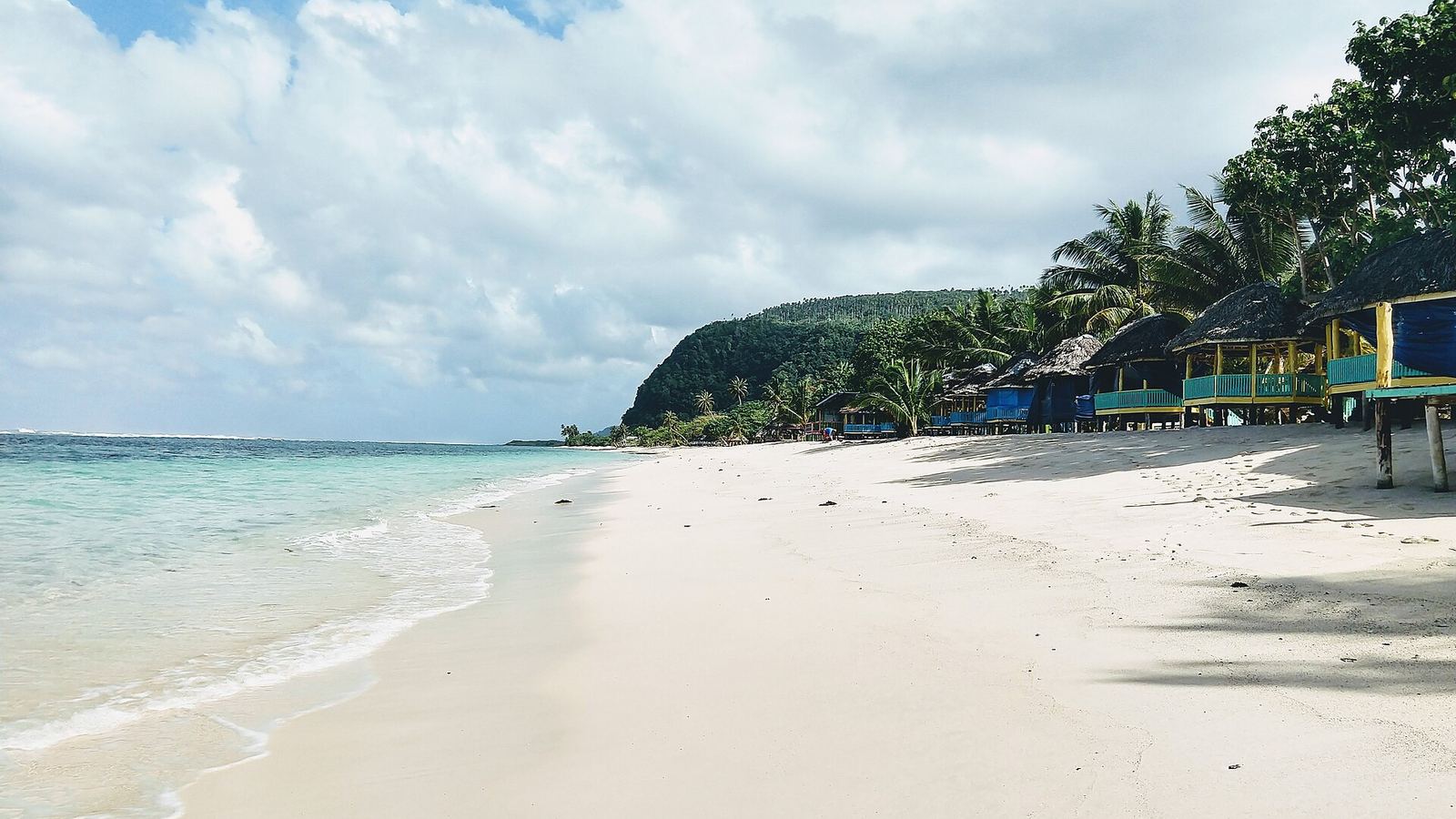
- Lalomanu Beach: white sand, turquoise water and a row of beach fales on the southeast tip. Snorkeling is good but watch for currents beyond the reef.
- Piula Cave Pool: a freshwater pool beneath a Methodist college on the north coast, with a swim-through to a second cave.
- Papase'ea Sliding Rocks: natural rock slides into freshwater pools, a short drive from Apia.
- Waterfalls: Sopoaga and Fuipisia falls are easy roadside stops on the cross-island roads.
- Apia: the Robert Louis Stevenson Museum at Vailima, the Fugalei market and the waterfront fish market.
Tours, tickets & day trips
Reef cruises, Hobbiton, lagoon tours and more. Via GetYourGuide.
Savai'i highlights
Savai'i is among the largest islands in Polynesia but has a fraction of Upolu's traffic. Twentieth-century eruptions left wide black lava fields across the north, and the coast road loops the island in a long day of driving.
- Alofaaga Blowholes: on the south coast near Taga, where waves force seawater dozens of meters into the air. Locals sometimes throw coconuts into the spray for a fee.
- Saleaula lava fields: lava from the 1905 to 1911 eruptions flowed through villages here; you can see a church partly buried in rock.
- Afu Aau Waterfall: a beautiful jungle waterfall with a deep swimming pool.
- Manase and the north coast: calm water, beach fales and turtle sanctuaries where you can swim with green turtles.
- Falealupo Peninsula: the westernmost point, with rainforest, beaches and sunset views. Facilities change, so ask locally what is open.
The Upolu to Savai'i ferry
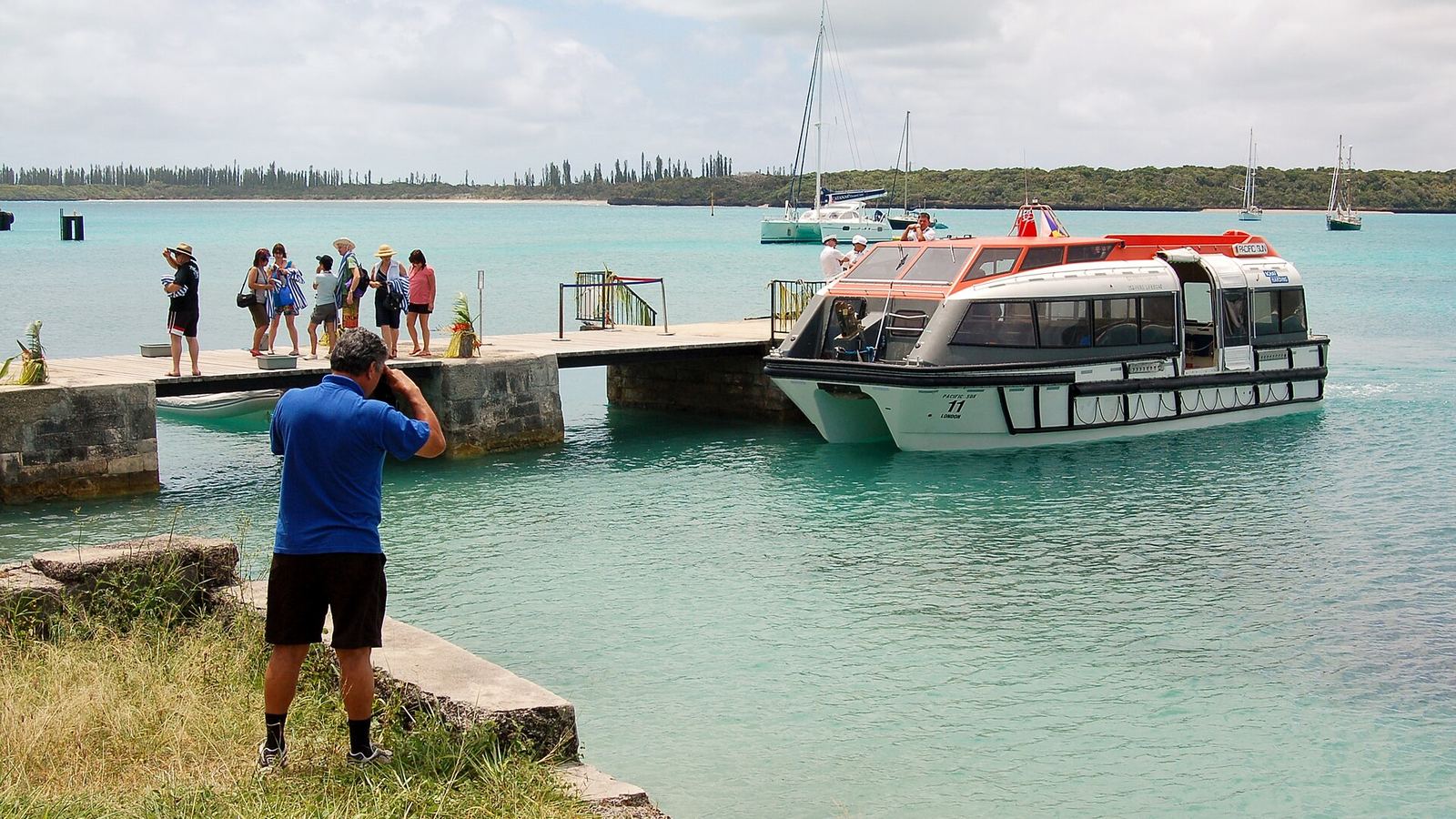
Samoa Shipping Corporation runs the ferry between Mulifanua Wharf on Upolu, close to the airport, and Salelologa Wharf on Savai'i. The crossing takes about 60 to 90 minutes, depending on the vessel. In 2026 the adult foot passenger fare is ST$10 each way, and cars cost roughly ST$80 to ST$100 each way depending on size. There are usually several sailings each way on weekdays, fewer on Saturday and just one or two on Sunday. The bigger ferry, Lady Samoa III, has an air-conditioned VIP lounge for a small extra charge.
Foot passengers can buy tickets at the wharf, generally in cash. If you are taking a rental car, book a vehicle slot in advance and check that your rental company allows its cars on the ferry. Timetables are published monthly and change around holidays and weather, so check the latest schedule.
Trains, buses & ferries
Compare ground transport and plan connections. Via Omio.
Sleeping in a beach fale
A fale is a traditional open-sided hut with a thatched or tin roof, raised on a platform, with woven blinds you can lower for privacy and wind. Beach fale resorts are often family run, and most include breakfast and dinner in the price. Bedding is a mattress and mosquito net, bathrooms are shared, and the sound of the surf is your alarm clock.
| Type | What you get | Rough price per night |
|---|---|---|
| Basic beach fale | Mattress, net, shared bathroom, breakfast and dinner | About ST$80 to ST$150 per person |
| Upgraded fale | Walls, lockable door, sometimes private bathroom, meals included | About ST$150 to ST$300 per person |
| Resort or hotel | Air-conditioned rooms, pools, restaurants | About ST$350 to ST$900 per room |
Bring a sarong, insect repellent, a torch and earplugs, and keep valuables in your bag or the office safe. Mixing a few fale nights with a couple of nights in a resort is a good balance for most travelers. Browse hotels and stays on both islands.
Villas, apartments & beach fales
Self-catering stays for families and longer trips. Via Booking.com.
Getting around
Renting a car gives you the most freedom. You will need a temporary local driving permit, which rental companies can usually arrange. Samoa switched to driving on the left in 2009, roads are mostly sealed but narrow, and speed limits are low, especially through villages. Colorful local buses are cheap and fun but infrequent and unreliable on Sundays. Taxis are plentiful around Apia. See car hire.
Customs and etiquette
- Sunday: a day for church and family lunch. Many businesses close, swimming near villages may be restricted, and noise is frowned upon.
- Sa (evening prayer): in many villages a curfew of around 10 to 20 minutes is observed at dusk. If you hear a bell or conch, stop and wait quietly.
- Access fees: beaches, waterfalls and pools belong to villages, and a small custom fee is normal.
- Dress: cover shoulders and knees in villages and towns; swimwear is for the beach.
Sample 8-day itinerary
- Days 1 to 2: Apia, Papase'ea Sliding Rocks and Piula Cave Pool.
- Days 3 to 4: south coast, To Sua Ocean Trench and a beach fale at Lalomanu.
- Days 5 to 7: ferry to Savai'i for the blowholes, lava fields, waterfalls and turtles.
- Day 8: ferry back and drive a few minutes to the airport.
When to go and keep planning
May to October is drier and less humid; November to April is the wet and cyclone season. The Teuila Festival, usually in early September, celebrates Samoan culture with dancing, fire knife performances and canoe races. Read our Samoa destination guide, then see how Samoa compares in our best islands in the South Pacific ranking, or pair it with neighboring Tonga using our guide to swimming with whales in Tonga.
Map of places in this guide
Frequently asked questions
How do you get from Upolu to Savai'i?
Take the Samoa Shipping Corporation ferry from Mulifanua Wharf, near the airport, to Salelologa. It takes about 60 to 90 minutes and costs ST$10 per adult foot passenger each way.
Can you swim at To Sua Ocean Trench?
Yes. A steep ladder leads down to a platform and the seawater pool. The water is tidal and connects to the ocean, so be cautious near the tunnel and visit early to avoid crowds.
What is a beach fale?
A traditional open-sided Samoan hut on the beach, usually with a mattress, mosquito net and shared bathroom. Most fale stays include breakfast and dinner.
Is everything closed on Sundays in Samoa?
Many shops and attractions close or open limited hours on Sundays, which is reserved for church and family. Resorts and some restaurants stay open.
Some links on this page are affiliate links. If you book through them we may earn a small commission at no extra cost to you. Learn more.