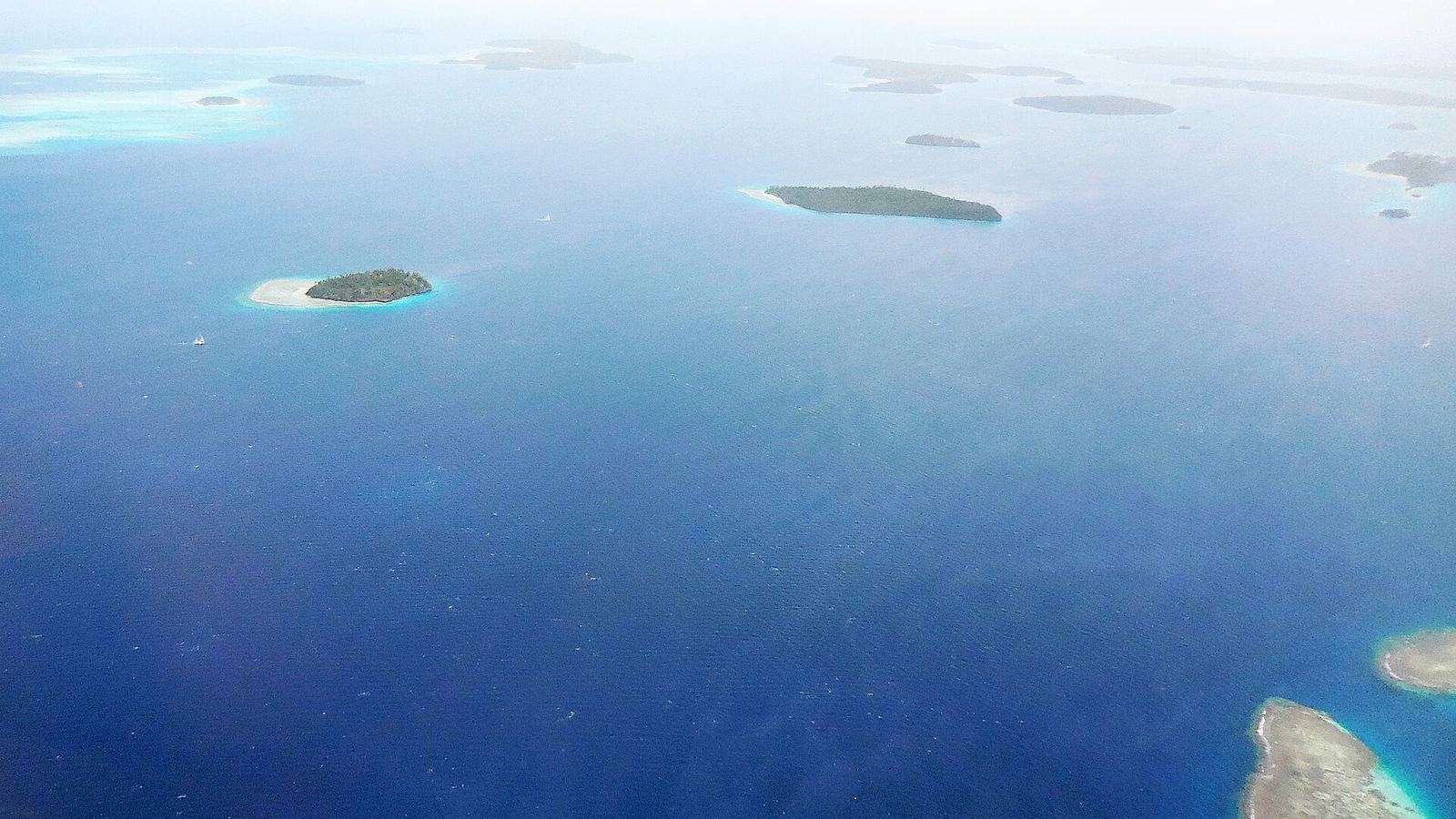
Every southern winter, humpback whales swim thousands of kilometers north from their Antarctic feeding grounds to the warm, sheltered waters of Tonga to mate, give birth and nurse their calves. Tonga is one of only a handful of places in the world where licensed operators can put you in the water with them, and Vava'u, a maze of forested islands and protected channels in the north of the kingdom, is the center of it all. Done well, a whale swim is one of the great wildlife encounters on Earth. Done badly, it stresses animals at their most vulnerable. This guide covers both sides.
When is whale season in Tonga?
Whale swimming is permitted by law from 1 July to the end of October. Whales are usually present in good numbers in Vava'u from mid-July to mid-October, with August and September generally considered the peak for sightings and for mothers with young calves. Early July and late October can be excellent, but numbers are less predictable.
| Month | What to expect |
|---|---|
| July | Whales arriving, males competing in heat runs, fewer calves. Cooler water and some rain. |
| August | Peak numbers, newborn calves, busiest month for operators and accommodation. |
| September | Many mothers and calves resting, often the most relaxed encounters. Book well ahead. |
| October | Whales starting to leave, calves more active and playful, warmer water, fewer visitors. |
Water temperatures are typically in the low to mid-20s Celsius, so a 3mm wetsuit is comfortable for most people.
How a whale swim day works
Tours leave Neiafu, Vava'u's main town, in the morning and spend most of the day on the water, up to a legal maximum of about seven hours. The skipper and guide search for whales and assess their behavior. If a whale or a mother and calf are resting calmly, the guide may decide to put a small group in the water.
You slip in quietly from the boat, swim with the guide to a position beside the whale, and float on the surface with mask, snorkel and fins. Encounters can last a few seconds or many minutes, depending entirely on the whale. Groups usually rotate if there are more than four guests on board. On some days the whales are not suitable for swimming and the trip becomes a whale-watching day; good operators make that call for the animals' sake.
Tours, tickets & day trips
Reef cruises, Hobbiton, lagoon tours and more. Via GetYourGuide.
The rules
Tonga's Whale Watching and Swimming Regulations set out how operators must behave. The key points every guest should know are:
- Licensed operators only: only licensed whale swim providers may put swimmers in the water with whales. Private boats must keep their distance.
- Four swimmers plus a guide: no more than four clients and one trained guide may be in the water with a pod at one time.
- One boat per pod: only one licensed vessel may have swimmers in the water with a given pod. Other boats wait their turn at a distance.
- Distances: boats must stay set distances from whales, and further away from mothers with calves. Swimmers must not approach closer than the guide allows.
- Time limits: there are limits on how long a boat can stay with a pod and on total time on the water each day.
- No touching, chasing or blocking: never touch a whale, swim towards its head or tail, or cut off its path.
- No scuba, scooters or flash: encounters are snorkel only. Flash photography and motorized swimming aids are not permitted.
The ethics: choosing a responsible operator
Vava'u has dozens of licensed boats, and the pressure to deliver a swim every day can lead some operators to push too hard, crowding animals or dropping swimmers in front of moving whales. Research suggests disturbance can interrupt resting and nursing, which matters for calves that need to build strength for the journey south. Your booking choice is the best tool you have.
- Check that the operator appears on Tonga Tourism's list of licensed whale operators.
- Ask how many guests they take and how they handle rotations. Smaller boats mean less waiting and less disturbance.
- Look for guides who brief you on whale behavior and explain when they will not put swimmers in.
- Read reviews for comments on crowding, chasing or rushed drops, and avoid operators who promise guaranteed swims.
- Favor locally owned businesses or those employing Tongan guides and crew.
A simple test: the best whale swim is one where the whale stays relaxed, chooses to stay, and leaves on its own terms.
What it costs
A full-day shared whale swim in Vava'u typically costs roughly TOP 450 to TOP 650 per person (about US$190 to US$280), usually including snorkel gear and lunch. Private charters for small groups cost several thousand pa'anga a day. Multi-day packages that combine accommodation and several boat days are popular because each day is weather and whale dependent, and three days on the water gives you a much better chance of a memorable encounter than one. Some operators also offer whale-watching-only trips at a lower price for non-swimmers.
Getting to Vava'u
International flights land at Fua'amotu Airport on Tongatapu, the main island, with connections from Auckland, Sydney, Brisbane and Nadi. Domestic flights to Vava'u take about an hour. In season, Fiji Airways also flies directly between Nadi and Vava'u, which can save a connection. Compare flights early, as seats are limited during whale season. A slower option is the inter-island ferry from Nuku'alofa, a long journey of roughly a day with stops in Ha'apai.
Find cheap flights
Compare fares to Sydney, Auckland, Nadi, Papeete and beyond. Via Trip.com.
Where to stay
Neiafu, overlooking the sheltered Port of Refuge harbor, has guesthouses, waterfront cafés and most of the tour operators, so it is the most convenient base. Several small eco-resorts on outer islands offer a quieter setting, often with their own whale trips. Accommodation fills up a year in advance for August and September, so book early. Browse hotels in Tonga.
Compare hotels & resorts
Free cancellation on many stays across Oceania. Via Booking.com.
What to pack
- Your own well-fitting mask and snorkel, plus fins if you have them.
- A 3mm wetsuit or rash vest and a warm, windproof layer for the boat.
- Seasickness tablets; the open water outside the islands can be choppy.
- Reef-safe sunscreen, a hat and a dry bag.
- A camera with a wide-angle lens and no flash.
- Cash in pa'anga for smaller businesses, as card acceptance is limited.
Beyond the whales
Vava'u is also one of the best sailing grounds in the Pacific, with dozens of protected anchorages. You can kayak between islands, snorkel at Swallows Cave and Mariner's Cave, and join a Sunday church service for powerful harmonies. Remember that Sunday is a day of rest in Tonga by law: most businesses close and whale tours do not run.
Keep planning
Read our Tonga destination guide and the best time to visit overview. Humpbacks also pass through other islands in winter; see our Samoa travel guide and Fiji island hopping guide, and find Vava'u in our ranking of the best islands in the South Pacific.
Frequently asked questions
When can you swim with whales in Tonga?
Swimming is permitted from 1 July to the end of October. Mid-July to mid-October is the most reliable window, with August and September usually the peak.
How many people can swim with a whale at once in Tonga?
No more than four clients plus one licensed guide may be in the water with a pod at a time, and only one licensed boat may have swimmers with that pod.
Is swimming with whales in Tonga ethical?
It can be, if you choose a licensed operator that follows the regulations, keeps groups small and lets the whales decide whether to stay. Avoid operators who chase whales or promise guaranteed swims.
How much does a whale swim in Vava'u cost?
A full-day shared tour typically costs roughly TOP 450 to TOP 650 per person. Booking two or three days improves your chances of a good encounter.
Some links on this page are affiliate links. If you book through them we may earn a small commission at no extra cost to you. Learn more.